
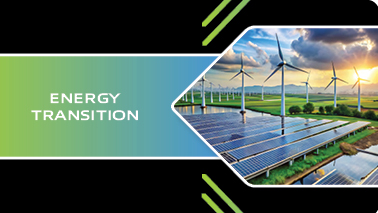
The global Energy Transition represents a fundamental shift from fossil-based systems of energy production and consumption such as coal, oil, and natural gas to a zero-carbon model powered by renewable sources like wind, solar, and hydro. This transformation is not merely a technical swap of one fuel for another; it is a comprehensive structural change that involves the electrification of end-use sectors (transport, heating, and industry), the rapid scaling of storage technologies, and the digitalization of power grids. The ultimate goal is to achieve a balance where energy needs are met reliably and affordably without compromising the climate or depleting natural resources for future generations.
Policy acts as the primary architect of this transition, providing the regulatory frameworks and financial incentives necessary to de-risk green investments. Governments worldwide utilize a variety of tools, such as carbon pricing, which places a financial cost on emissions, and renewable energy mandates, which require utilities to source a specific percentage of their power from clean sources. Additionally, industrial policies like subsidies and tax credits are increasingly used to build domestic supply chains for critical components like batteries and electrolyzers. Effective policy must balance the "Energy Trilemma" ensuring that the system remains secure and affordable while rapidly decarbonizing to meet international climate targets like those set in the Paris Agreement.
Future Systems are characterized by their flexibility, decentralization, and high levels of integration. In these systems, the traditional boundary between the "utility" and the "consumer" disappears, replaced by a network of prosumers who generate, store, and trade energy locally. Key technological pillars include Smart Grids that use AI to balance supply and demand in real-time, and Green Hydrogen to provide clean fuel for heavy industries that are difficult to run on electricity alone. Furthermore, the future grid relies on Long-Duration Energy Storage (LDES) to act as a massive buffer, ensuring stability even during extended periods of low wind or solar output. This interconnected, "internet of energy" approach ensures that the power system is not only sustainable but also more resilient to geopolitical shocks and climate-related disruptions.
Share this page on your timeline
ALSO READ Renewable Clean Energy Systems Solar Photovoltaic Technologies Floating Solar Systems Wind Energy and Wind Technologies Hybrid Renewable Energy Systems Bioenergy and Biomass Waste-to-Energy Technologies Geothermal Energy Systems Marine and Tidal Energy Smart Grids Power Systems Microgrids and Distributed Energy Resources Power Electronics for Renewable Integration Grid Stability and Reliability Cybersecurity in Power Systems AI and Machine Learning in Power Systems Digitalization of Energy Systems IoT Applications in Energy Advanced Battery Technologies Grid-Scale Energy Storage Long-Duration Energy Storage Thermal Energy Storage Systems Hydrogen Production and Storage Fuel Cell Technologies Sustainable Power Energy Efficiency Energy-Efficient Buildings Smart Cities and Energy Systems Energy Management Systems Industrial Energy Optimization Energy Transition, Policy Future Systems Decarbonization Pathways Net-Zero Energy Systems Carbon Capture, Utilization and Storage Circular Economy Energy Policy and Regulation Climate-Resilient Energy Systems Electric Mobility and Charging Infrastructure Vehicle-to-Grid Technologies Future Power System Technologies Hydro Power
Tags
Renewable Energy Conferences
Green Hydrogen Technology Conferences
Smart Grid Systems Conferences
Solar Energy Conferences 2026
Biomass Meetings USA
Renewable Energy Conferences USA
Electric Vehicles Conferences
Bioenergy Conferences
Power Electronics Conferences Europe
Hydro Power Conferences Middle East
Power Technologies Conferences Europe
Green Hydrogen Conferences Europe
Renewable Energy Conferences Europe
Sustainable Power Generation Meetings