Physicists eye emerging technology for solar cells in outer space
Solar cells face significant challenges when deployed in outer space, where extremes in the environment d...
View More

Amsterdam, Netherlands
Dear Esteemed Researchers, Industry Leaders and Innovators,
It is our distinct honor and pleasure to invite you to the World Congress on Renewable Energy, Smart Systems, and Sustainable Power Technologies (Energy World 2026), a premier global platform where innovation meets opportunity and where the future of energy is shaped not only by science, but by powerful business transformation, taking place on October 26 – 27, 2026, in Amsterdam, Netherlands.
Today, renewable energy is no longer just an environmental priority it has become one of the fastest-growing and most promising sectors in the global business economy. With trillions of dollars being invested worldwide, rapid technological breakthroughs, strong government incentives, and increasing corporate commitments to sustainability, the renewable energy market is creating unprecedented opportunities for industries, investors, entrepreneurs, and policymakers alike.
Energy World 2026 will bring together leading researchers, industry pioneers, technology developers, investors, and decision-makers to exchange insights, showcase innovations, and build strategic partnerships that accelerate both technological progress and commercial success.
This prestigious congress will focus on advancing collaboration across key areas including renewable energy systems, smart power technologies, energy storage markets, digital energy transformation, sustainable infrastructure, decarbonization strategies, and next-generation power solutions designed to support a net-zero global economy.
Through inspiring keynote sessions, distinguished speaker talks, strategic industry panels, technical presentations, and powerful networking opportunities, participants will gain valuable insights into emerging trends, investment landscapes, market growth potential, and transformative technologies shaping the next era of energy business.
We sincerely look forward to welcoming you to Energy World 2026, where innovation, sustainability, and business excellence come together to power a cleaner, smarter, and more prosperous future.
With warm regards,
Organizing Committee
Energy World 2026



























Boise State University,
USA
Micromechanics & Composites,
USA
University of Nevada, USA,
USA
Federal University of Rio de Janeiro,
Brazil
University of São Paulo, Brazil,
Brazil
Istat and Sapienza University of Rome,
Italy
UNINETTUNO International Telematic University,
Italy
University of São Paulo,
Brazil






Renewable Clean Energy Systems
Renewable clean energy systems capture and manage power from naturally replenishing, zero-emission sources like solar, wind, hydropower, and geothermal. In 2026, the scope of these systems has expanded beyond simple generation to include sophisticated infrastructure like Battery Energy Storage Systems (BESS), smart grids, and green hydrogen production. This evolution is transforming the global energy landscape from centralized fossil-fuel plants to decentralized, resilient networks that allow for the deep decarbonization of heavy industries and transport.
Statistically, 2025 and 2026 represent a historic "tipping point," as renewables are now on track to surpass coal as the world's primary source of electricity generation. Global clean energy investment reached a record $2.3 trillion in 2025, with solar energy alone driving nearly 80% of new capacity additions. A major trend this year is the massive demand from AI data centers, which is pushing tech giants to fund "clean baseload" power like enhanced geothermal to supplement variable solar and wind. In India, non-fossil sources now exceed 52% of the total installed mix, reflecting a global surge in sustainable infrastructure.
The importance of this transition rests on climate stability, economic resilience, and public health. By displacing fossil fuels, these systems are the most effective tool for limiting global warming to 1.5°C and reducing the 7 million annual deaths caused by air pollution. Economically, renewables provide energy sovereignty by reducing dependence on volatile imported fuels, while acting as a massive job engine employing over 15 million people worldwide. As technology costs continue to plummet, clean energy has officially become the most cost-competitive option for a sustainable global future.
Solar Photovoltaic Technologies
As of early 2026, Solar Photovoltaic (PV) technology has transitioned from traditional silicon modules to high-efficiency tandem designs and integrated smart systems. The most significant breakthrough is the commercialization of Perovskite-Silicon Tandem cells, which stack materials to capture a broader light spectrum. By layering perovskite over silicon, these cells have achieved record efficiencies exceeding 34%, effectively shattering the theoretical limits of standalone silicon. This leap in energy density is critical for space-constrained urban environments and high-demand sectors like AI data centers.
Beyond efficiency gains, the physical form of solar is diversifying through Building-Integrated PV (BIPV) and flexible thin-films. Modern skyscrapers are increasingly utilizing transparent solar windows that harvest infrared and UV light while remaining aesthetically clear. Meanwhile, Bifacial modules have become the industry standard for utility-scale farms; by capturing sunlight reflected from the ground, they provide an energy yield boost of up to 30%. In rural sectors, the rise of Agrivoltaics vertical panels installed on farmland allows for simultaneous crop cultivation and power generation, optimizing land use.
The 2026 solar ecosystem is further enhanced by AI-driven power electronics. Machine learning algorithms now optimize energy harvest in real-time by adjusting for cloud shading and temperature fluctuations at the cell level. As manufacturing scales, the cost of these advanced modules continues to fall, making solar the most affordable and versatile electricity source globally. This combination of material science and digital optimization ensures that solar PV remains the primary engine of the global energy transition.
Floating Solar Systems
In 2026, Floating Solar Systems or "floatovoltaics" have transitioned from niche prototypes to a cornerstone of global renewable strategy, particularly in land-scarce regions like Southeast Asia and India. These systems involve photovoltaic modules mounted on buoyant, UV-stabilized HDPE platforms anchored to the beds of reservoirs, industrial ponds, or hydropower dams. By utilizing underused water surfaces, they bypass the high costs and complex zoning associated with terrestrial land acquisition, effectively turning water bodies into dual-purpose clean energy hubs.
The operational advantages of these systems are rooted in a unique thermal synergy. The natural cooling effect of the water maintains lower operating temperatures for the solar cells, boosting energy conversion efficiency by 5% to 15% compared to ground-mounted arrays. Furthermore, the presence of the panels reduces water evaporation by up to 70%, a vital benefit for drought-prone areas, while simultaneously inhibiting the sunlight-driven photosynthesis that fuels harmful algal blooms.
Efficiency Boost: Natural water cooling significantly reduces thermal degradation and increases power output.
Land & Water Conservation: Saves valuable agricultural land while drastically reducing reservoir evaporation.
Infrastructure Synergy: Hybridizing with existing hydropower dams allows for shared grid connections and 24/7 power balancing.
Cost Dynamics: Despite a 10–25% CAPEX premium for marine-grade mooring, superior yields often lead to a lower long-term Levelized Cost of Energy (LCOE).
Environmental Safety: Advanced 2026 systems use AI-driven monitoring to ensure that shading does not negatively impact dissolved oxygen levels for aquatic life.
Wind Energy and Wind Technologies
In 2026, wind energy has solidified its position as the backbone of the global electricity transition, driven by the emergence of the "Gigawatt Era" where individual offshore turbines now exceed 15 MW in capacity. This evolution is characterized by a strategic shift toward deeper waters through floating wind platforms, which unlock massive energy potential in sea depths previously unreachable by traditional fixed pylons. These massive structures are supported by material science breakthroughs, such as 3D-printed components and recyclable "circular" resins that address the industry's historical waste challenges. While traditional horizontal-axis turbines remain the utility standard, vertical-axis innovations are increasingly deployed in turbulent urban and offshore cluster settings to maximize energy capture from multidirectional winds.
Beyond mechanical design, the sector is being revolutionized by AI-driven "digital twins" that simulate environmental stress to predict maintenance needs, reducing unplanned downtime by nearly 40%. This technological maturity is also fueling a massive "repowering" trend, where aging turbines are replaced with modern, high-output models on existing sites to triple energy production without requiring new land. Furthermore, wind energy has become the primary engine for the burgeoning green hydrogen economy, with large-scale farms now directly integrated with electrolyzers. This allows wind power to go beyond the electrical grid, providing the carbon-free fuel necessary to decarbonize heavy industries like steel and maritime shipping.
Hybrid Renewable Energy Systems
Hybrid Renewable Energy Systems (HRES) have become the gold standard for grid stability, moving the world beyond the limitations of variable, "weather-dependent" power. These systems combine two or more energy sourcesmost commonly wind and solar alongside an integrated storage medium like lithium-ion or flow batteries. By leveraging the complementary nature of natural resources, such as solar peaking during the day and wind typically increasing at night, HRES provides a much smoother and more reliable "baseload-like" output. This synergy significantly reduces the "duck curve" effect and minimizes the need for fossil-fuel backup plants.
The technical backbone of these systems is the Hybrid Power Plant Controller (HPPC), an AI-driven brain that manages the complex interplay between fluctuating sources. In 2026, these controllers use real-time satellite weather data to decide whether to send electricity directly to the grid, store it in batteries, or divert it to onsite green hydrogen electrolyzers. This optimization has led to a massive increase in "capacity credit," meaning grid operators can now rely on hybrid plants for firm power delivery almost as confidently as they once did with coal or gas.
Enhanced Reliability: The overlapping production profiles of wind and solar ensure a more consistent power supply across a 24-hour cycle.
Cost Efficiency: Shared infrastructure, such as transformers, transmission lines, and land, can reduce total project costs by up to 15% compared to building separate wind and solar farms.
Grid Resilience: Integrated storage allows the system to provide "ancillary services," such as frequency regulation and black-start capabilities, which are essential for preventing blackouts.
Maximized Land Use: Co-locating technologies allows developers to generate significantly more megawatt-hours per acre, a critical factor in densely populated regions.
A major 2026 trend is the shift toward Virtual Power Plants (VPPs), where thousands of small-scale hybrid systems in homes and businesses are networked together. Using blockchain-based energy trading, these decentralized hybrids can act as a single, massive utility-scale battery for the city, providing power during peak demand and earning revenue for the owners. This transition marks the move from a "passive" grid to an "active," self-healing energy ecosystem.
Bioenergy and Biomass

Bioenergy and Biomass have evolved into critical tools for decarbonizing sectors where wind and solar struggle, such as heavy aviation, shipping, and industrial heating. Unlike other renewables, bioenergy is uniquely "dispatchable," meaning it can be stored as fuel and burned on demand to provide reliable baseload power. The scope of this field has shifted from traditional wood-burning to "Modern Bioenergy," which utilizes organic waste from cities, farms, and forests to produce high-value biogas and liquid biofuels.
The year 2026 marks a surge in Advanced Biofuels, specifically Sustainable Aviation Fuel (SAF) and renewable diesel, as global biorefinery revenues are projected to surpass $288 billion. A major trend is the integration of Bioenergy with Carbon Capture and Storage (BECCS), which allows power plants to actually remove CO2 from the atmosphere while generating electricity making it one of the few "carbon-negative" technologies available. In regions like India, the National Bioenergy Program has successfully scaled up compressed biogas (CBG) and mandatory biomass co-firing in coal plants, turning agricultural residues that were once burned in fields into a valuable energy commodity.
Diverse Feedstocks: Beyond wood, systems now process municipal solid waste, sewage sludge, and even algae to create energy without competing with food crops.
Decarbonizing Transport: SAF and marine biofuels are becoming "must-have" infrastructure for hard-to-electrify long-haul transport.
Baseload Reliability: Bioenergy currently provides approximately 9% of the world’s total energy supply, acting as a stable partner to variable solar and wind.
Circular Economy: These systems turn waste management liabilities into energy assets, reducing landfill methane emissions and producing bio-fertilizers as a byproduct.
Economic Impact: The sector is a major rural employer, with biomass collection and processing supporting over 3.5 million jobs globally in 2026.
Waste-to-Energy Technologies
Waste-to-Energy (WtE) technologies have transcended their traditional role as disposal methods to become essential pillars of the circular economy and urban sustainability. This field encompasses a range of thermochemical and biochemical processes that convert municipal, industrial, and agricultural waste into usable energy forms, including electricity, steam, and synthetic fuels. As of early 2026, the global WtE market is valued at approximately $39 billion to $44 billion, with a significant focus on reducing the staggering 2 billion tons of municipal solid waste generated annually a figure projected to grow by 70% by 2050.
The scope of WtE technology has expanded beyond mass-burn incineration to include advanced thermal treatments like gasification, pyrolysis, and plasma arc gasification. These methods operate under controlled oxygen levels to break down waste into syngas (rich in hydrogen and carbon monoxide) and inert slag, achieving volume reductions of up to 90%. Simultaneously, biochemical processes like anaerobic digestion are scaling rapidly to treat organic and agricultural waste, producing biogas that can be upgraded to renewable natural gas (RNG) or bio-CNG. In 2026, a major trend is the integration of WtE plants within "Eco-Industrial Parks," where the waste of one facility becomes the heat or power source for another.
The importance of WtE in 2026 is driven by its "waste-to-wealth" potential and its ability to provide reliable, non-intermittent baseload power. By diverting waste from landfills, these technologies prevent the release of methane a potent greenhouse gas and recover valuable materials like metals from residual ash. Furthermore, WtE supports energy security by providing localized power generation, reducing a city's dependence on centralized grids and vulnerable supply chains. With modern emission-control systems now standard, WtE facilities in 2026 offer a dual environmental benefit: sanitizing urban environments while contributing significantly to global Net-Zero mandates and renewable energy targets.
Geothermal Energy Systems
Geothermal Energy Systems have undergone a technological "renaissance," shifting from a niche energy source restricted to volcanic regions to a global solution for 24/7 carbon-free power. Geothermal energy is the heat stored beneath the Earth’s surface, originating from the planet's formation and the radioactive decay of minerals. The scope of these systems now spans from shallow geothermal heat pumps used for residential climate control to deep geothermal plants that tap into superheated reservoirs kilometers below the crust to drive industrial turbines.
The current statistics for 2026 highlight a significant acceleration in the sector. The global geothermal power market is valued at approximately $7.31 billion, with installed capacity reaching nearly 19 GW a jump driven by a 9% annual growth rate. North America has emerged as the fastest-growing region, largely due to the commercialization of Enhanced Geothermal Systems (EGS). Unlike conventional geothermal, which requires natural steam or hot water, EGS uses advanced "fracking-like" drilling to create human-made reservoirs in hot-dry rock. A major milestone in June 2026 is the commissioning of the first large-scale EGS plant in the United States, proving that geothermal can now be deployed almost anywhere, regardless of local tectonic activity.
The importance of geothermal energy in 2026 lies in its role as a "clean baseload" resource. While solar and wind are variable, geothermal operates at a 90% capacity factor, providing steady power regardless of weather or time of day. This stability is increasingly critical for powering AI data centers, which require massive, uninterrupted energy supplies to maintain global digital infrastructure. Furthermore, geothermal systems are being used for district heating in Europe and the UK, replacing fossil-fuel boilers with low-carbon heat networks. By providing energy sovereignty and reducing land use compared to massive solar farms, geothermal has become a cornerstone of the transition to a net-zero global economy.
Marine and Tidal Energy
Marine and Tidal Energy has emerged from decades of research into a high-growth commercial sector, providing the global grid with a rare asset: 100% predictable renewable power. While wind and solar depend on weather, marine energy harnesses the gravitational pull of the moon and sun, offering a steady "clockwork" energy source. The scope of this field includes Tidal Stream (underwater turbines in currents), Tidal Range (barrages and lagoons using height differences), and Wave Energy (surface motion). As of early 2026, the global tidal energy market alone is valued at approximately $1.7 billion, with a projection to double by 2030 as multi-turbine arrays replace single prototypes.
The 2026 technological landscape is defined by the move toward Floating Tidal Turbines and Tidal Kites. Floating platforms, such as those pioneered by Orbital Marine Power, allow for easier maintenance and deployment in deeper, high-velocity channels. Tidal kites, which "fly" in a figure-eight pattern underwater, have expanded the industry’s reach by harvesting energy from slower currents that traditional turbines cannot capture. Statistically, Europe remains the global leader, accounting for over 56% of market growth, while South Korea maintains the world’s largest operational capacity at the Sihwa Lake Tidal Power Station. A major 2026 trend is the integration of AI-driven Predictive Monitoring, which uses underwater sensors to adjust turbine pitch in real-time, protecting marine life and reducing maintenance costs by 20%.
The importance of marine energy lies in its role as a "grid stabilizer." Its perfect predictability allows grid operators to plan for energy lulls in other renewables weeks or even years in advance, reducing the need for expensive battery backup. Beyond power, these systems are being increasingly used for Renewable Desalination, providing fresh water to coastal communities without the carbon footprint of traditional plants. By providing energy sovereignty to island and coastal nations and supporting over 90,000 high-value jobs by some regional estimates marine energy has become a strategic pillar for countries aiming for Net-Zero while maintaining a resilient, diverse energy portfolio.
Smart Grids Power Systems
Smart Grids represent the "internet of energy," evolving from a passive delivery system into a highly intelligent, bidirectional network. By integrating advanced sensors, digital communication, and AI, these systems enable real-time coordination between millions of energy producers and consumers. The scope of smart grids is far-reaching, encompassing Advanced Metering Infrastructure (AMI) for real-time billing, wide-area monitoring systems like Phasor Measurement Units (PMUs) for grid health, and the seamless integration of distributed energy resources like rooftop solar and electric vehicles.
Statistically, the smart grid market has entered a period of explosive growth. By early 2026, the global market is valued at approximately $62 billion, with a compound annual growth rate (CAGR) of 17% projected through 2035. This surge is driven by massive national mandates, such as India’s project to install 250 million smart meters and the U.S. government's multibillion-dollar Grid Resilience and Innovation Partnerships (GRIP). A key trend this year is the rise of Virtual Power Plants (VPPs), which aggregate decentralized home batteries and EVs into a single "smart" asset that can provide thousands of megawatts of support during peak demand, effectively replacing the need for new fossil-fuel "peaker" plants.
The importance of smart grids in 2026 lies in their ability to solve the "Intermittency Problem" of renewables. Through AI-driven forecasting and automated load shedding, these grids can handle the volatile output of wind and solar while maintaining perfect frequency and voltage stability. Furthermore, they offer Self-Healing capabilities; when a fault occurs (such as a tree limb hitting a line), the grid can automatically detect, isolate, and reroute power within milliseconds, preventing large-scale blackouts. By empowering consumers to become "prosumers" who sell power back to the grid, smart grids are not just an engineering upgrade they are the economic engine of a decentralized, democratic, and carbon-free energy future.
Microgrids and Distributed Energy Resources
In 2026, Microgrids and Distributed Energy Resources (DERs) represent the shift from a centralized "top-down" utility model to a decentralized, resilient "bottom-up" energy ecosystem. DERs are small-scale power generation or storage technologies such as rooftop solar, small wind turbines, and residential batteries located close to the point of consumption. A microgrid is the localized grouping of these DERs that acts as a single controllable entity. Its defining feature is the ability to "island" or disconnect from the main grid during a blackout, allowing critical facilities like hospitals or data centers to maintain power independently.
Statistically, 2026 marks a major financial tipping point for this sector. The global microgrid market is valued at approximately $47.8 billion, growing at a robust 15.4% annual rate. This growth is driven by the declining cost of solar and storage, alongside rising grid instability from extreme weather. Currently, hardware (generation and storage assets) accounts for 75% of market share, while Asia-Pacific leads the world with a 41% share of total installations. A key 2026 trend is the rise of Microgrid-as-a-Service (MaaS), where businesses pay a monthly fee for energy resilience rather than footing the high upfront costs of installation, making sophisticated energy autonomy accessible to a broader range of commercial and industrial players.
The importance of these systems in 2026 lies in their dual role as "local protectors" and "grid supporters." While they provide 100% reliability for their owners, microgrids also offer ancillary services to the main utility, such as frequency regulation and peak shaving, which helps prevent regional blackouts. By generating power locally, they drastically reduce transmission losses energy wasted as it travels over long distances which can account for up to 5% of all electricity produced. As we integrate millions of electric vehicles (EVs) into the system, microgrids equipped with Distributed Energy Resource Management Systems (DERMS) are becoming essential to orchestrate charging and prevent localized transformer overloads, ensuring the grid remains stable during the clean energy transition.
Power Electronics for Renewable Integration
Power Electronics serves as the critical "nervous system" of renewable energy integration, moving beyond simple electricity conversion to sophisticated grid orchestration. Power electronics refers to the use of solid-state electronics such as inverters, converters, and rectifiers to control and convert electric power from the variable forms produced by solar and wind into the stable, regulated AC power required by the grid. As of early 2026, the global market for power electronics in renewable energy is valued at approximately $10.25 billion, growing as industries shift toward high-efficiency, high-power modules to handle the massive influx of clean energy.
The current technological landscape is dominated by the transition from traditional silicon-based components to Wide-Bandgap (WBG) Semiconductors, specifically Silicon Carbide (SiC) and Gallium Nitride (GaN). These materials allow devices to operate at higher voltages, temperatures, and switching frequencies than silicon. In 2026, SiC is being used in utility-scale solar inverters to reduce power losses by over 50%, while GaN is revolutionizing compact on-board chargers for EVs. Furthermore, the rise of Grid-Forming (GFM) Inverters is a major 2026 trend; unlike older "grid-following" models, GFM inverters can establish their own voltage and frequency references, providing the "synthetic inertia" necessary to keep the grid stable as traditional spinning turbines from coal plants are decommissioned.
The importance of power electronics lies in its role as the ultimate "grid balancer." By using AI-integrated control algorithms, modern converters can respond to grid fluctuations in milliseconds, preventing blackouts and optimizing energy flow between batteries, EVs, and the main grid. This is essential for achieving high penetration of renewables, as power electronics ensure that "dirty" or fluctuating energy from weather-dependent sources is cleaned and synchronized perfectly with existing infrastructure. Without these advancements, the 2026 goal of integrating record-breaking solar and wind capacities such as India’s 217 GW of non-fossil capacity would be technically impossible due to grid instability.
Grid Stability and Reliability
Grid Stability and Reliability have become the primary focus of energy policy as nations reach record levels of renewable penetration. In simple terms, stability is the grid's ability to maintain a consistent frequency (typically 50 or 60 Hz) and voltage, while reliability refers to the system's capacity to deliver power to every consumer without interruption. As traditional fossil-fuel plants which provided "natural inertia" via their massive rotating turbines are retired, the grid is losing its inherent mechanical cushion against sudden shocks, such as a cloud passing over a massive solar farm or a sudden surge in demand from AI data centers.
Statistically, 2026 is a year of unprecedented strain. Global electricity demand is rising at its fastest rate in decades (3.4% annually), driven by the "chip-to-grid" energy needs of high-performance computing and the rapid electrification of transport. By early 2026, the global grid automation and protection market has surged to approximately $118 billion. A critical trend this year is the widespread deployment of Grid-Forming (GFM) Inverters. Unlike older "grid-following" models that simply shut down during instability, GFM inverters actively "lead" the grid, using advanced firmware to emulate virtual inertia. This technology has become mandatory in regions like Rajasthan, India, and parts of South Australia, where renewable penetration frequently exceeds 100% of local demand.
The importance of grid reliability in 2026 cannot be overstated; even a millisecond of frequency deviation can cause billions in losses for semiconductor manufacturing or jeopardize life-support systems in hospitals. To combat this, utilities are investing in Synchronous Condensers giant spinning motors that provide mechanical inertia without burning fuel and massive Battery Energy Storage Systems (BESS). These batteries act as "digital shock absorbers," injecting or absorbing power in milliseconds to balance the grid. By integrating AI-driven predictive maintenance and "Self-Healing" digital substations, 2026 grids are becoming more resilient, capable of automatically isolating faults and rerouting power to ensure that the transition to a carbon-free future does not come at the cost of a dark screen.
Cybersecurity in Power Systems
Cybersecurity in Power Systems has moved from a peripheral IT concern to the single greatest strategic risk for national energy security. As the world transitions to decentralized smart grids, the "attack surface" the number of points where a hacker can enter the system has expanded exponentially. Every smart meter, EV charger, and internet-connected solar inverter is now a potential entry point for state-sponsored actors or ransomware groups. By early 2026, the global market for critical energy infrastructure protection is valued at approximately $160 billion, reflecting a massive shift toward "Zero-Trust" defensive strategies.
The defining feature of 2026 cybersecurity is the "AI vs. AI" battlefield. Threat actors are now using Agentic AI autonomous bots that can scan entire national grids for vulnerabilities and execute multi-stage attacks at speeds no human can match. In response, utilities have deployed Self-Healing Grids powered by defensive AI. These systems use machine learning to establish a "baseline" of normal electrical behavior; if an anomaly is detected (such as an unauthorized command to open a circuit breaker), the AI can isolate that specific section of the grid in milliseconds, long before a human operator could react. Statistics show that AI-driven detection has reduced the average "dwell time" the period a hacker remains undetected from months to just minutes in top-tier utilities.
Zero-Trust Architecture: The "Never Trust, Always Verify" principle is now mandatory for utility-scale operators, ensuring that even if one device is compromised, the attacker cannot move "laterally" to the rest of the grid.
NIS2 & Regulatory Mandates: New global regulations, such as the full implementation of the EU's NIS2 Directive in late 2025, now impose strict 24-hour incident reporting and penalties of up to 2% of global turnover for non-compliance.
IT/OT Convergence: The historical wall between Information Technology (office computers) and Operational Technology (physical grid hardware) has dissolved, requiring unified security platforms that monitor both software and steel.
Supply Chain Audits: Since modern grids rely on global hardware, 2026 sees a surge in Software Bill of Materials (SBOM) requirements to ensure no "backdoors" are hidden in the code of imported solar inverters or wind turbine controllers.
Quantum-Resistant Encryption: With the rise of quantum computing threats, early-adopter utilities are beginning to pilot post-quantum cryptographic standards to protect long-term grid data.
The importance of this field is underscored by the high stakes: a successful cyberattack on a modern grid doesn't just steal data; it can cause physical damage to multi-million dollar transformers and lead to life-threatening blackouts. In 2026, cybersecurity is no longer viewed as a cost center, but as a "resilience asset" that ensures the digitalized, green energy transition remains safe and reliable.
AI and Machine Learning in Power Systems
AI and Machine Learning (ML) have transitioned from being "experimental tools" to the core operating system of the modern power grid. As the world pushes for record-breaking renewable penetration, the sheer complexity of managing millions of solar panels, wind turbines, and EVs has surpassed human cognitive capacity. AI fills this gap by acting as the "predictive brain" that ensures supply perfectly matches demand in millisecond intervals. By early 2026, the global market for AI in energy is surging, with AI-driven maintenance systems alone credited with reducing outage durations by up to 40%.
The technological scope of 2026 is defined by the shift from passive analytics to Agentic AI. Unlike traditional software that requires human prompts, Agentic AI consists of autonomous "agents" that can independently perceive grid imbalances, reason through the most cost-effective solutions (such as discharging a specific neighborhood's home batteries), and execute the action in real-time. This is supported by Physics-Informed Neural Networks (PINNs), which combine deep learning with the fundamental laws of thermodynamics and electromagnetism to ensure that AI-suggested maneuvers never violate the physical safety limits of the electrical hardware.
Ultra-Precise Forecasting: Using multimodal data including live satellite imagery, "sky cams," and atmospheric sensors AI now predicts solar and wind output with over 95% accuracy, drastically reducing the need for expensive fossil-fuel backups.
Digital Twins: Every major utility now maintains a "Digital Twin" of its entire grid a virtual 3D replica that uses real-time telemetry to simulate "what-if" scenarios, such as the impact of a category-4 hurricane or a sudden cyberattack.
Autonomous Energy Trading: In 2026, AI agents participate in high-frequency energy markets, buying and selling power across regions in milliseconds to capitalize on price volatility while ensuring grid stability.
Predictive Asset Health: AI "sentinels" monitor the vibration and thermal signatures of multi-million-dollar transformers, predicting failures months in advance. One major US utility reported saving $34M through a single AI-detected fault.
The importance of AI in 2026 is most visible at the "Edge." With the rise of the India Energy Stack and similar global initiatives, AI is being deployed directly into smart meters and local transformers. This allows for a Self-Healing Grid where localized AI can automatically isolate a downed power line and reroute electricity through a microgrid before a neighborhood even notices a flicker. By turning a rigid, one-way system into an adaptive, thinking organism, AI and ML have become the indispensable catalysts for a resilient and carbon-neutral 2026.
Digitalization of Energy Systems
AI and Machine Learning (ML) have transitioned from being "experimental tools" to the core operating system of the modern power grid. As the world pushes for record-breaking renewable penetration, the sheer complexity of managing millions of solar panels, wind turbines, and EVs has surpassed human cognitive capacity. AI fills this gap by acting as the "predictive brain" that ensures supply perfectly matches demand in millisecond intervals. By early 2026, the global market for AI in energy is surging, with AI-driven maintenance systems alone credited with reducing outage durations by up to 40%.
The technological scope of 2026 is defined by the shift from passive analytics to Agentic AI. Unlike traditional software that requires human prompts, Agentic AI consists of autonomous "agents" that can independently perceive grid imbalances, reason through the most cost-effective solutions (such as discharging a specific neighborhood's home batteries), and execute the action in real-time. This is supported by Physics-Informed Neural Networks (PINNs), which combine deep learning with the fundamental laws of thermodynamics and electromagnetism to ensure that AI-suggested maneuvers never violate the physical safety limits of the electrical hardware.
Ultra-Precise Forecasting: Using multimodal data including live satellite imagery, "sky cams," and atmospheric sensors AI now predicts solar and wind output with over 95% accuracy, drastically reducing the need for expensive fossil-fuel backups.
Digital Twins: Every major utility now maintains a "Digital Twin" of its entire grid a virtual 3D replica that uses real-time telemetry to simulate "what-if" scenarios, such as the impact of a category-4 hurricane or a sudden cyberattack.
Autonomous Energy Trading: In 2026, AI agents participate in high-frequency energy markets, buying and selling power across regions in milliseconds to capitalize on price volatility while ensuring grid stability.
Predictive Asset Health: AI "sentinels" monitor the vibration and thermal signatures of multi-million-dollar transformers, predicting failures months in advance. One major US utility reported saving $34M through a single AI-detected fault.
The importance of AI in 2026 is most visible at the "Edge." With the rise of the India Energy Stack and similar global initiatives, AI is being deployed directly into smart meters and local transformers. This allows for a Self-Healing Grid where localized AI can automatically isolate a downed power line and reroute electricity through a microgrid before a neighborhood even notices a flicker. By turning a rigid, one-way system into an adaptive, thinking organism, AI and ML have become the indispensable catalysts for a resilient and carbon-neutral 2026.
IoT Applications in Energy
IoT Applications in Energy have moved beyond simple data collection to become the "sensory network" of a fully automated, decarbonized energy ecosystem. By early 2026, the global market for IoT in energy has surpassed $34 billion, with billions of connected sensors, smart meters, and edge controllers orchestrating everything from residential solar to industrial-scale wind farms. This transformation is fueled by the falling cost of 5G and LPWAN (Low-Power Wide-Area Network) modules, which have dropped by nearly 28% in the last two years, making high-volume sensor deployment economically viable for the first time.
The 2026 landscape is defined by the shift toward Edge AI. Unlike older "cloud-only" systems, modern IoT devices process data locally at the source on a transformer or inside a smart meter to make split-second decisions without waiting for a signal from a distant server. This is critical for Demand Response, where IoT-connected smart appliances (refrigerators, HVACs, and EV chargers) automatically adjust their power consumption based on real-time electricity prices and grid stress. In India alone, the mandate to install 250 million smart meters by the end of 2025 has created one of the world's largest IoT networks, allowing utilities to reduce transmission losses and eliminate manual meter reading entirely.
Predictive Asset Management: IoT sensors monitor heat, vibration, and acoustics in high-voltage equipment, predicting failures up to 30 days in advance and reducing unplanned downtime by 50%.
Renewable Orchestration: Real-time data from IoT-equipped "sky cams" and atmospheric sensors allows for 95% accurate, minute-by-minute forecasting of solar and wind output.
Energy Harvesting: A major 2026 trend is the rise of "battery-free" IoT sensors that harvest their own power from ambient heat, light, or vibrations, drastically lowering maintenance costs.
Smart Building Efficiency: Commercial IoT platforms now integrate occupancy sensors with HVAC systems to reduce energy wastage in office buildings by as much as 20%.
The importance of IoT in 2026 lies in its ability to handle the "complexity of the many." As we move from a few hundred large power plants to millions of tiny solar rooftops and EVs, only a pervasive IoT layer can manage this decentralized chaos. By providing the granular visibility needed to balance supply and demand in real-time, IoT has become the indispensable digital foundation for a stable, resilient, and net-zero energy future.
Advanced Battery Technologies
Advanced Battery Technologies have moved beyond incremental lithium-ion improvements to a diverse landscape of "next-generation" chemistries designed for specific use cases. The market for these technologies is projected to reach approximately $82 billion this year, growing at an annual rate of 8.4%. While traditional liquid-electrolyte lithium-ion batteries still hold over 50% of the market share, 2026 is recognized as the "verification year" for radical alternatives that promise higher energy density, lower costs, and enhanced safety.
The primary shift in 2026 is the commercial emergence of Solid-State Batteries (SSBs) and Sodium-Ion (Na-ion) systems. SSBs replace flammable liquid electrolytes with solid ceramic or polymer layers, nearly eliminating fire risks while allowing for 600+ Wh/kg energy densities roughly double that of 2020-era batteries. Meanwhile, Sodium-Ion has become the strategic choice for low-cost mobility and stationary storage. Because sodium is abundant and 30–40% cheaper than lithium, it is being mass-produced by giants like CATL to power entry-level EVs and grid-scale buffers, insulating the supply chain from lithium price volatility.
High-Nickel Cathodes: Modern 2026 batteries use NMC 811 or NCA 90 chemistries, reducing expensive cobalt content to near-zero.
Silicon-Anode Integration: Graphite anodes are increasingly "boosted" with silicon to allow for 10-minute fast charging without degrading the battery life.
Lithium-Sulfur (Li-S): A rising 2026 trend for aviation and drones due to its incredibly lightweight (high gravimetric) profile, with the market growing at 24% CAGR.
Intelligent BMS: Advanced Battery Management Systems now use AI-driven Dynamic Impedance Spectroscopy to monitor internal cell health in real-time, extending lifespans by up to 20%.
Sustainability & Recycling: In 2026, "Circular Design" is mandatory in the EU and US, with automated robotic disassembly lines recovering 95% of critical minerals from retired EV packs.
The importance of these advanced batteries lies in their ability to "de-bottleneck" the energy transition. Better batteries in 2026 are making long-haul electric trucking possible, allowing regional electric aviation to take flight, and providing the multi-hour storage needed to make solar power viable even during several days of cloud cover. By decoupling energy storage from scarce minerals, these technologies are securing both the environmental and economic future of the global grid.
Grid-Scale Energy Storage
Grid-Scale Energy Storage (GSES) has emerged as the indispensable "shock absorber" for a world powered by clean energy. GSES refers to large-scale systems, typically 10 MW to several gigawatts, directly connected to the transmission or distribution grid. These systems decouple energy production from consumption, allowing utilities to store massive amounts of surplus solar and wind power and release it instantly to maintain stability. By early 2026, the global market for these systems is valued at approximately $81.6 billion, with a record-breaking 100+ GW of new capacity coming online this year alone.
The 2026 landscape is defined by the shift from pilot projects to standardized grid infrastructure. Lithium-ion Battery Energy Storage Systems (BESS) dominate the market with over 70% share due to a 58% drop in costs since 2019. However, a major 2026 trend is the rise of Long-Duration Energy Storage (LDES), such as Flow Batteries and Iron-Air systems, which provide 8 to 100 hours of backup to cover multi-day weather lulls. In regions like California and South Australia, battery capacity now accounts for over 15–25% of peak load, allowing these grids to run almost entirely on stored renewables during evening peaks, effectively "killing" the carbon-heavy duck curve.
Renewable Smoothing: Instantly compensates for sudden cloud cover or wind drops, ensuring a "firm" power supply.
Grid-Forming Inverters: New 2026 regulations now mandate these inverters, which provide "synthetic inertia" to keep the grid stable as traditional coal turbines retire.
Peak Shaving & Arbitrage: Utilities save billions by storing cheap midday solar and discharging it during high-priced evening hours.
Non-Wire Alternatives: Batteries are strategically placed to relieve network congestion, avoiding the need for expensive and slow-to-build transmission line upgrades.
Hybridization: Over 49% of new renewable tenders in 2026 are for "hybrid" projects solar or wind plants pre-integrated with onsite storage.
The importance of grid-scale storage in 2026 lies in its role as a "force multiplier" for decarbonization. Without these massive reservoirs of power, the transition to 100% renewables would lead to constant curtailment (wasted energy) and grid instability. By providing millisecond-fast frequency regulation and reliable backup, GSES has become the foundational layer that makes a carbon-free, high-tech economy physically possible.
Long-Duration Energy Storage
Long-Duration Energy Storage (LDES) has moved from a theoretical necessity to a multi-billion-dollar foundational asset class. While standard lithium-ion batteries are excellent for "shifting" energy over 2 to 4 hours, LDES refers to technologies capable of discharging power for 10 to 100+ hours. This capability is critical for "de-risking" the grid during multi-day wind lulls (known as dunkelflaute in Europe) or extended extreme weather events. By early 2026, the global LDES market has surpassed $6.3 billion in annual revenue, with a strategic shift toward replacing gas-fired "peaker" plants with clean, long-term firming capacity.
The technological landscape in 2026 is remarkably diverse. Mechanical systems, such as Compressed Air Energy Storage (CAES) and Gravity-based systems, currently hold the largest market share (roughly 33%) due to their massive scalability and 30-to-40 year lifespans. However, the fastest-growing segment is Iron-Air batteries, which utilize the reversible oxidation of iron (rusting) to store energy at a fraction of the cost of lithium. Companies like Form Energy are now deploying 100-hour systems at the 100 MW scale. Simultaneously, Thermal Energy Storage (TES) which stores heat in bricks, sand, or molten salts is being utilized to decarbonize industrial process heat, with electrical reconversion serving as a vital secondary grid service.
Market Value (2026): Surpassed $6.34 billion globally, with North America and Europe leading in total investment.
Firming Capacity: LDES is increasingly remunerated via "cap-and-floor" or "capacity payment" schemes rather than just energy arbitrage, reflecting its value as a reliability asset.
Diversified Chemistries: 2026 sees a rapid move toward "lithium-free" storage using earth-abundant materials like iron, zinc, and vanadium to ensure mineral sovereignty.
Safety & Permitting: Unlike lithium-ion, most LDES technologies (Flow, Thermal, Mechanical) are non-flammable, allowing for easier permitting in dense urban areas and near critical infrastructure.
Multi-Day Resilience: The focus has shifted to the ">24 hours" segment, which is seeing a 20% CAGR as grids reach 60–80% renewable penetration.
The importance of LDES in 2026 lies in its ability to solve the "last mile" of decarbonization. As coal and gas assets retire faster than ever, LDES provides the synthetic inertia and multi-day backup that prevents blackouts during seasonal energy shifts. By decoupling the cost of power (kW) from the cost of energy (kWh), LDES allows utilities to build massive energy reservoirs that make 24/7 carbon-free electricity an affordable reality.
Thermal Energy Storage Systems
Thermal Energy Storage (TES) has graduated from a supporting role in solar plants to a primary pillar of industrial and grid-scale decarbonization. By early 2026, the global TES market is valued at approximately $8.04 billion to $9.35 billion, growing at a robust compound annual rate of over 13%. This surge is fueled by the realization that the world does not just have an "energy problem," but a "timing problem" the challenge of storing vast amounts of cheap, intermittent renewable heat and electricity for use in 24/7 industrial processes and AI data centers.
The 2026 technological landscape is divided into three core categories: Sensible, Latent, and Thermochemical storage. Sensible heat storage remains the market leader, accounting for over 70% of installations, with molten salts and crushed rock serving as the primary media for high-temperature applications. A major 2026 trend is the rise of Thermal Batteries, which use surplus grid electricity to heat abundant materials like solid carbon or sand to temperatures exceeding 1500 C These units can be deployed in months and provide "clean steam" for heavy industries like steel and cement, effectively undercutting the economics of traditional gas-fired boilers.
In the urban and residential sectors, 2026 has seen a breakthrough in Latent Heat Storage using advanced Phase-Change Materials (PCMs). Unlike sensible storage, which requires large volumes of water or rock, PCMs store energy by transitioning between solid and liquid states, allowing them to hold 5 to 10 times more energy in the same footprint. These systems are now being integrated into "Smart District Cooling" networks, where ice is produced at night when power is cheap and used to cool entire city blocks during peak daytime hours. Furthermore, 2026 marks the first wave of Small Modular Reactor (SMR) integrations, where thermal reservoirs act as "hot sinks" to absorb excess nuclear heat during periods of low demand, ensuring reactors can operate at maximum efficiency while providing flexible power to the grid.
The importance of TES in 2026 lies in its unmatched scalability and low cost compared to chemical batteries. By utilizing earth-abundant materials rather than scarce minerals like lithium or cobalt, thermal storage provides a sustainable pathway for Long-Duration Energy Storage (LDES). As countries like China and India rapidly build out concentrated solar power (CSP) clusters with 10+ hours of built-in molten salt storage, TES has become the essential "thermal buffer" that allows national grids to maintain stability and reliability while pursuing aggressive Net-Zero targets.
Hydrogen Production and Storage
Hydrogen Production and Storage has reached a pivotal industrial scaling phase, transitioning from small-scale pilots to multi-gigawatt infrastructure clusters. The global green hydrogen market is valued at approximately $13.5 billion to $17.3 billion, with a projected growth rate of over 34% as nations race to meet mid-decade climate targets. The primary focus is now on "Green Hydrogen" produced via electrolysis using renewable electricity which is becoming the cornerstone for decarbonizing hard-to-abate sectors like steel, shipping, and heavy-duty transport.
The production landscape in 2026 is dominated by two main technologies: Alkaline (ALK) Electrolyzers, which currently hold the largest market share (over 55%) due to their maturity and low capital costs, and Proton Exchange Membrane (PEM) Electrolyzers, which are growing at the fastest rate (41% CAGR). PEM systems are increasingly favored for their ability to respond almost instantly to the variable output of wind and solar farms. Additionally, Solid Oxide Electrolysis (SOEC) is entering the commercial sphere for industrial sites where high-temperature waste heat is available, offering efficiency gains that reduce electricity consumption by up to 25%.
Hydrogen storage in 2026 has seen a major shift toward high-density and "lossless" methods to overcome the challenges of its low volumetric density. While high-pressure gas and cryogenic liquid storage remain standard for short-distance transport, Liquid Organic Hydrogen Carriers (LOHCs) have emerged as a disruptive solution for global trade. LOHCs chemically bond hydrogen to stable liquids (like toluene or methylcyclohexane), allowing it to be stored and transported at ambient conditions using existing oil tankers and pipelines. Simultaneously, the market for Solid-State Hydrogen Storage, which uses metal hydrides or metal-organic frameworks (MOFs) to "soak up" hydrogen at low pressures, has surpassed $5 billion, offering a safer and more compact alternative for stationary backup power and maritime applications.
The strategic importance of hydrogen in 2026 is underscored by its role as a "global energy carrier." It allows energy-rich regions, such as Australia, the Middle East, and North Africa, to export their solar and wind power to energy-hungry industrial hubs in Europe and East Asia. With major policy frameworks like India’s National Green Hydrogen Mission and the EU’s Renewable Energy Directive III providing massive subsidies, hydrogen is no longer just an experimental fuel; it is the essential chemical bridge that links renewable energy sources with the world's heaviest industrial processes.
Fuel Cell Technologies
Fuel Cell Technologies have established themselves as the primary alternative to batteries for heavy-duty applications, driven by their superior energy density and rapid refueling capabilities. Fuel cells are electrochemical devices that convert the chemical energy of a fuel typically hydrogen directly into electricity through a reaction with oxygen, producing only water and heat as byproducts. By early 2026, the global fuel cell market has surpassed $15 billion, with a staggering projected growth rate of 25% to 30% annually. This surge is fueled by a shift in focus from passenger cars to "hard-to-electrify" segments, including long-haul trucking, maritime shipping, and mission-critical stationary power.
The 2026 technological landscape is dominated by Proton Exchange Membrane (PEM) fuel cells, which hold nearly 67% of the market share. PEM cells are favored for transportation due to their compact size, low operating temperatures (60 C) and ability to start up instantly. A major milestone this year is the deployment of "Third-Generation" PEM systems by leaders like Toyota and Ballard, which offer durability comparable to diesel engines exceeding 25,000 to 30,000 hours of operational life. Simultaneously, Solid Oxide Fuel Cells (SOFCs) are experiencing the fastest growth in the stationary sector. Operating at high temperatures, SOFCs achieve over 60% electrical efficiency, which can climb to 90% when integrated into combined heat and power (CHP) systems for AI data centers and industrial facilities.
In 2026, fuel cells are no longer "stand-alone" solutions but are increasingly deployed as Hybrid Power Systems combined with small buffer batteries. This configuration allows the fuel cell to provide a steady "baseload" of power while the battery handles sudden surges in demand, such as a heavy truck accelerating or a data center experiencing a processing spike. Geographically, the Asia-Pacific region continues to lead, accounting for over 60% of global revenue, supported by massive national hydrogen roadmaps in Japan, South Korea, and China. In the West, the focus has shifted toward "Hydrogen Hubs" industrial clusters where hydrogen is produced, stored, and consumed by fuel-cell-powered fleets within a single ecosystem to minimize infrastructure costs.
The importance of fuel cell technology in 2026 lies in its ability to decarbonize the "heavy lifting" of the global economy. For a long-haul truck or a cargo ship, the weight and charging time of batteries would reduce payload and profitability; fuel cells solve this by offering 10-minute refueling and ranges exceeding 1,000 kilometers. Furthermore, as grid constraints delay new power connections for the booming AI sector, fuel cells are being deployed "behind-the-meter" to provide immediate, high-reliability prime power. By providing a clean, scalable, and fuel-flexible energy source, fuel cells have become the indispensable chemical engine of the 2026 net-zero transition.
Sustainable Power Energy Efficiency
Sustainable Power and Energy Efficiency are no longer treated as parallel goals but as a unified "operating system" for the global economy. As electricity demand surges at twice the rate of total energy demand driven largely by the AI revolution and electric mobility the focus has shifted from simple capacity expansion to "intelligent integration." By early 2026, global investment in clean energy is projected to reach $2.5 trillion, with a record $520 billion dedicated specifically to modernizing the grids that make sustainability possible.
The 2026 landscape of energy efficiency is defined by the transition from "passive saving" to "Active Demand Optimization." In response to the massive energy appetite of data centers, which are projected to consume as much power as a country like India by 2030, tech leaders are deploying AI-enabled energy systems. These systems utilize "frugal AI" to match real-time consumption with 24/7 carbon-free energy (CFE), ensuring that power-hungry facilities are not just offset by solar credits but are physically powered by clean electrons at the moment of use. Statistics from early 2026 show that companies integrating Digital Twins and Edge Computing are reducing industrial energy waste by up to 25%, making efficiency a primary driver of corporate competitiveness and cost control.
Battery Tipping Point: In 2026, global battery prices are expected to fall below $100/kWh for the first time, enabling cost parity between electric vehicles and internal combustion engines without subsidies.
Building Efficiency 2.0: Adoption of AI-driven HVAC optimization at the edge is cutting building energy costs by 20% while simultaneously reducing the reliance on cloud-based processing.
Industrial Decoupling: Emerging economies like India are leading the "Energy-GDP Decoupling" trend, with major projects like the Dhirubhai Energy Complex set to produce solar panels, batteries, and electrolyzers in a single integrated gigafactory.
Grid Resilience: Modern power systems are becoming "self-healing," using machine learning to detect transformer anomalies weeks before failure, preventing the massive energy losses associated with unplanned outages.
Circular Design: Efficiency has expanded to include resource optimization; 2026 mandates in major markets now require "Software Bills of Materials" and circular recycling for all new renewable hardware.
The importance of this unified approach in 2026 lies in its ability to navigate a "tight" energy market. With grid interconnection backlogs reaching record highs, Energy Efficiency has become the fastest "virtual supply" of power available to utilities. By squeezing more value out of every megawatt through smarter asset use and hybrid portfolios (combining solar, wind, and storage), the 2026 energy transition is moving from a period of "headline-grabbing promises" to one of rigorous, profitable execution. This shift ensures that the pursuit of sustainability actually lowers bills and stabilizes the grid, making green energy the most pragmatic choice for both developed and emerging nations.
Energy-Efficient Buildings

Energy-Efficient Buildings have moved beyond "green features" to become high-performance, active participants in the power grid. No longer just static structures, modern buildings are designed as "Prosumer Hubs" generating, storing, and strategically releasing energy to balance the wider utility network. By early 2026, the global market for energy-efficient buildings is valued at approximately $153.6 billion, with smart building energy management systems (BEMS) alone accounting for nearly $46 billion. This growth is catalyzed by mandatory net-zero building codes taking effect in jurisdictions like New York, California, and the European Union this year.
The 2026 landscape is defined by the shift from Net-Zero promises to Operational Reality. Buildings are increasingly adopting "Fabric First" designs, where the structure itself (through extreme insulation, triple-glazing, and airtightness) eliminates the need for massive mechanical systems. A major 2026 trend is Building-Integrated Photovoltaics (BIPV), where solar cells are no longer "bolted on" but are manufactured directly into the glass, roof tiles, and façades of the building. This is coupled with Phase-Change Materials (PCMs) in walls that act as thermal batteries, absorbing excess heat during the day and releasing it at night to maintain a constant temperature without using electricity.
Occupancy-Driven Efficiency: In 2026, energy control follows people, not schedules. Using IoT and Wi-Fi signals, AI-driven HVAC systems "idle" empty rooms in real-time, cutting idle runtime by up to 30%.
Agentic AI BEMS: Modern building management systems now use "Agentic AI" that makes autonomous operational decisions—like pre-cooling a building two hours early because it forecasts a peak price spike or an incoming heatwave.
Passive House 2.0: The "Passive House" standard has become the gold standard for luxury and public housing, utilizing Energy Recovery Ventilation (ERV) to recycle 90% of the heat from exhausted air.
Carbon-Positive Architecture: In 2026, leading-edge buildings are designed to be "carbon-positive," meaning they generate more renewable energy over a year than they consume, selling the excess back to the grid.
Adaptive Reuse & Retrofits: Recognizing that the greenest building is the one already built, 2026 has seen a surge in Deep Energy Retrofits, where existing structures are "wrapped" in new high-performance envelopes to meet strict 2026 emissions standards.
The importance of energy-efficient buildings in 2026 lies in their role as the "last mile" of grid stability. As electrification puts unprecedented strain on power lines, buildings that can "shape" their load shifting consumption to midday when solar is abundant become a utility's most valuable asset. By transforming our homes and offices into intelligent, self-sustaining ecosystems, the 2026 construction industry is proving that high-density living can actually improve, rather than degrade, our environmental and energy security.
Smart Cities and Energy Systems
Smart Cities have evolved into integrated urban ecosystems where energy systems serve as the digital "bloodstream." No longer just a collection of connected sensors, the smart city of 2026 uses Artificial Intelligence (AI) and Digital Twins to orchestrate the flow of electricity, heat, and data in real time. The global smart cities market is experiencing explosive growth, valued at approximately $1.19 trillion in 2026, with the "Smart Energy Management" segment alone accounting for over 57% of the smart utilities share.
The 2026 Technological Landscape
The defining shift this year is the transition from passive data collection to Active Urban Orchestration. Cities are using AI to bridge the gap between deep engineering and real-time citizen needs.
Urban Digital Twins: Cities like Singapore, Dubai, and London are using virtual replicas to simulate energy stress tests. These "twins" allow planners to predict how a heatwave will affect grid stability or how a major public event will shift EV charging demand, reducing emergency response times by up to 25%.
AI-Driven Grid Protection (Relay Protection 2.0): Modern urban grids are moving away from static hardwired signals to flexible, adaptive protection systems. These systems detect early signs of instability such as a transformer overheating or a frequency dip and reconfigure the network autonomously to prevent localized blackouts.
Smart Energy Communities: New regulations (such as Spain’s 2025 energy law) have paved the way for "Energy Communities" where neighbors share locally generated solar power and storage. In 2026, these communities are achieving collective energy savings of over 30% by optimizing shared self-consumption.
Key Stats & Market Drivers
|
Metric |
2026 Status / Projection |
|
Global Smart Cities Market |
Projected at $1.19 Trillion (growing to $6.3T by 2034) |
|
Data Center Power Demand |
Increasing 17% annually; nearing the total consumption of India |
|
Smart Lighting Savings |
Adaptive controls are reducing energy costs by 50–70% |
|
Asia-Pacific Growth |
Fastest-growing region; Japan and India markets each hitting ~$54 billion |
The "AI vs. Infrastructure" Challenge
A significant trend in 2026 is the massive energy appetite of the AI Revolution. Data center spending is nearing $500 billion in the U.S. alone this year. This has created a "breaking point" where cities must choose between rapid AI growth and their sustainability commitments. To solve this, 2026 smart cities are deploying Zero Energy City frameworks, which integrate high-density onsite renewables and 48-hour carbon-free power backups to ensure that "digital brains" don't drain the physical grid.
Urban Mobility & Energy Synergy
In 2026, the boundary between transportation and energy has blurred.
V2G (Vehicle-to-Grid): Electric buses and private EV fleets now act as mobile batteries for the city. During peak evening hours, AI platforms signal these vehicles to discharge a small percentage of their power back into the urban grid, providing a massive, decentralized buffer.
Thinking Rail Systems: AI now serves as the bridge for urban rail, using predictive analytics to reduce operational energy use by 35% while increasing punctuality through real-time "stress testing" of the network.
Energy Management Systems
Energy Management Systems (EMS) have evolved from simple "dashboards" into the centralized intelligence layers of the global energy transition. Modern EMS platforms now leverage AI and IoT to move beyond monitoring, actively orchestrating energy flows to balance cost, carbon emissions, and grid stability. By early 2026, the global EMS market is valued at approximately $76.3 billion, growing at a robust 15% annually as industries and homeowners alike seek to manage rising electricity costs and increasingly complex "time-of-use" pricing models.
The 2026 Landscape of EMS
The defining shift this year is the transition from Volume-Aware to Market-Aware optimization. It is no longer just about how much energy you use, but when you use it.
Industrial EMS (IEMS): Dominates the market with a 40% share. Modern IEMS act as a "decision layer" for heavy manufacturing, using predictive analytics to shift energy-intensive processes to hours when renewable energy is abundant and prices are low.
Home Energy Management (HEMS): This is the fastest-growing segment (18% CAGR). In 2026, HEMS has moved from a luxury to a standard feature, automatically managing smart appliances, EV chargers, and home batteries to reduce bills by an estimated 25–40%.
Building Energy Management (BEMS): Focuses on "Occupancy-Driven Efficiency." In 2026, AI-driven BEMS use Wi-Fi and sensor data to "idle" HVAC and lighting in empty rooms, cutting wasted energy by up to 30% without human intervention.
Tech Trends: AI and IoT Integration
Agentic AI: Modern EMS use autonomous agents that make real-time decisions—like discharging a battery to avoid a peak price spike without needing a human prompt.
Digital Twins: Large facilities now use a "digital twin" of their energy system to run "what-if" simulations, allowing them to optimize their response to extreme weather or grid failures before they happen.
Zero-Trust Cybersecurity: With the rise of IoT sensors, EMS in 2026 are built on zero-trust architectures to protect against cyberattacks targeting critical energy infrastructure.
Energy-Carbon Synergy: Carbon management is no longer a separate module; it is now baked into the core of the EMS, allowing companies to optimize for the "greenest" hour as easily as the cheapest hour.
Industrial Energy Optimization
Industrial Energy Optimization has evolved from a series of "efficiency tips" into a data-driven, autonomous discipline. As industrial energy demand faces a historic surge driven by the electrification of everything and the massive cooling needs of AI data centers the focus has shifted toward Energy Intelligence. By early 2026, the Industrial Energy Management System (IEMS) market is projected to reach approximately $76 billion to $79 billion, with the manufacturing sector leading the adoption to combat volatile energy prices and meet strict "Net-Zero" regulatory mandates.
The Optimization Framework
The defining characteristic of optimization this year is IT/OT Convergence, where Information Technology (software) and Operational Technology (physical machinery) are unified into a single, thinking loop.
AI-Enabled Predictive Maintenance: Instead of scheduled repairs, factories now use "Event-Based" maintenance. AI monitors vibration and thermal data from IoT sensors to predict equipment failure weeks in advance. This reduces unplanned downtime by 30–50% and ensures motors and compressors are never running at suboptimal, energy-wasting efficiency levels.
Dynamic Load Shifting: Using real-time grid signals, industries now use "Agentic AI" to autonomously shift non-critical energy loads (like charging forklift fleets or running wastewater treatment) to hours when renewable energy is abundant and prices are at their lowest.
Virtual Power Plants (VPPs): Large industrial sites are no longer just consumers; they act as "prosumers." By aggregating their onsite solar and battery storage, they participate in VPPs, selling flexibility back to the grid to stabilize local networks during peak demand.
Technological Pillars
|
Technology |
Impact |
Typical Savings |
|
Industrial Digital Twins |
Virtual replicas that simulate "what-if" energy scenarios before physical implementation. |
20–30% Energy reduction |
|
Edge AI Controllers |
Processing energy decisions locally on the machine to reduce latency and cloud costs. |
10–15% Efficiency gain |
|
Thermal Batteries |
Storing surplus midday solar energy as heat (up to 1500 C) for 24/7 industrial steam. |
40% Carbon reduction |
|
High-Efficiency Motors |
Widespread adoption of IE4 and IE5 "Ultra-Premium" efficiency motors. |
5–10% Direct power saving |
Energy Transition, Policy Future Systems
The global Energy Transition represents a fundamental shift from fossil-based systems of energy production and consumption such as coal, oil, and natural gas to a zero-carbon model powered by renewable sources like wind, solar, and hydro. This transformation is not merely a technical swap of one fuel for another; it is a comprehensive structural change that involves the electrification of end-use sectors (transport, heating, and industry), the rapid scaling of storage technologies, and the digitalization of power grids. The ultimate goal is to achieve a balance where energy needs are met reliably and affordably without compromising the climate or depleting natural resources for future generations.
Policy acts as the primary architect of this transition, providing the regulatory frameworks and financial incentives necessary to de-risk green investments. Governments worldwide utilize a variety of tools, such as carbon pricing, which places a financial cost on emissions, and renewable energy mandates, which require utilities to source a specific percentage of their power from clean sources. Additionally, industrial policies like subsidies and tax credits are increasingly used to build domestic supply chains for critical components like batteries and electrolyzers. Effective policy must balance the "Energy Trilemma" ensuring that the system remains secure and affordable while rapidly decarbonizing to meet international climate targets like those set in the Paris Agreement.
Future Systems are characterized by their flexibility, decentralization, and high levels of integration. In these systems, the traditional boundary between the "utility" and the "consumer" disappears, replaced by a network of prosumers who generate, store, and trade energy locally. Key technological pillars include Smart Grids that use AI to balance supply and demand in real-time, and Green Hydrogen to provide clean fuel for heavy industries that are difficult to run on electricity alone. Furthermore, the future grid relies on Long-Duration Energy Storage (LDES) to act as a massive buffer, ensuring stability even during extended periods of low wind or solar output. This interconnected, "internet of energy" approach ensures that the power system is not only sustainable but also more resilient to geopolitical shocks and climate-related disruptions.
Decarbonization Pathways

Decarbonization Pathways are strategic roadmaps used by nations and industries to transition from fossil-fuel dependency to a net-zero future. By 2026, these pathways have evolved from theoretical models into high-stakes industrial blueprints. The process is generally categorized into four "pillars": energy efficiency, low-carbon electricity, electrification of end-uses, and the deployment of carbon capture and hydrogen for hard-to-abate sectors.
The most immediate pathway is the Decarbonization of Power, which acts as the foundation for all other sectors. This involves scaling solar and wind while maintaining grid stability through nuclear power and long-duration storage. Once the grid is "clean," the focus shifts to Deep Electrification, where fossil-fuel assets in transport and buildings—like internal combustion engines and gas boilers—are replaced with electric vehicles and heat pumps. This "sector coupling" ensures that as the grid gets greener, the entire economy follows.
For "hard-to-abate" industries like steel, cement, and heavy shipping, the pathway relies on Indirect Electrification via green hydrogen and Carbon Capture, Utilization, and Storage (CCUS). These technologies address chemical process emissions and high-heat requirements that batteries cannot satisfy. By 2026, many regions are adopting "Industrial Clusters," where multiple factories share CO2 and hydrogen infrastructure to lower costs.
Ultimately, successful pathways require a "Just Transition" policy, ensuring economic stability for workers in legacy industries. By combining technical innovation with carbon pricing, these roadmaps provide a predictable environment for the trillions in investment needed to reach net-zero.
Net-Zero Energy Systems
In a Net-Zero Energy System, the objective is to balance the greenhouse gases emitted into the atmosphere with an equivalent amount removed, primarily through a total transformation of how energy is produced, distributed, and consumed. This framework prioritizes deep, front-loaded emission reductions often aiming for a 90% or greater decrease in actual output leaving only a tiny fraction of "hard-to-abate" emissions to be neutralized through carbon removal technologies. To achieve this, the system relies on the massive scaling of zero-carbon generation, such as wind, solar, and nuclear power, which must be seamlessly integrated into a digitalized grid that handles the inherent variability of renewable energy.
The transition is guided by comprehensive Policy Frameworks that act as the structural "rules of the road." These policies move beyond simple subsidies to incorporate carbon pricing, strict building codes, and mandates for the "circularity" of energy components like solar panels and batteries. By early 2026, many nations have integrated these into industrial strategies that emphasize "energy sovereignty," aiming to onshore the manufacturing of critical tech like electrolyzers and high-capacity storage. These policies are designed to solve the "Energy Trilemma," ensuring that the move to net-zero does not compromise energy security or affordability for the general public.
In the Future Systems that emerge from these policies, the grid evolves from a one-way delivery service into an "internet of energy." This decentralized model utilizes Smart Grids and AI-driven orchestration to manage millions of "prosumers" homes and businesses that both consume and produce power. Key to this stability is the use of Long-Duration Energy Storage (LDES) and Green Hydrogen, which provide the multi-day and seasonal buffers necessary to keep the lights on during extended weather lulls. By linking electricity, heat, and transport into a single integrated network, future systems maximize every joule of clean energy, creating a resilient, low-carbon foundation for the global economy.
Carbon Capture, Utilization and Storage
Carbon Capture, Utilization, and Storage (CCUS) is a suite of technologies designed to prevent carbon dioxide (CO2) from entering the atmosphere or to remove existing CO2 from the air. In 2026, CCUS is no longer seen as a distant alternative to renewables, but as an essential "bridge" for decarbonizing hard-to-abate sectors like cement, steel, and chemicals, where electricity alone cannot yet replace fossil-fuel-driven heat or chemical processes.
1. The Three-Step Process
CCUS functions as a continuous industrial loop that prevents waste carbon from contributing to global warming.
Capture: CO2 is separated from other gases produced at industrial facilities (like power plants or steel mills) or directly from the atmosphere via Direct Air Capture (DAC). The most common method, Post-Combustion Capture, uses chemical solvents to "scrub" the carbon out of exhaust flues.
Transport: Once captured, the CO2 is compressed into a liquid-like state to reduce its volume. It is then transported via pipelines, ships, or trucks to its final destination.
Utilization or Storage:
Storage (CCS): The CO2 is injected deep underground (typically 1km or more) into porous rock formations, such as depleted oil fields or saline aquifers, where it is permanently trapped by a solid "cap rock."
Utilization (CCU): The CO2 is recycled for industrial use. In 2026, this increasingly includes "curing" concrete to make it stronger, creating synthetic aviation fuels, or manufacturing carbon-neutral plastics.
2. Key Technologies in 2026
Technological maturation in 2026 has focused on reducing the high "energy penalty" the electricity required to run the capture equipment.
|
Technology |
Maturity in 2026 |
Best Use Case |
|
Post-Combustion |
High (Commercial) |
Retrofitting existing coal/gas power plants and refineries. |
|
Pre-Combustion |
Medium |
Integrated Gasification Combined Cycle (IGCC) plants and hydrogen production. |
|
Oxy-fuel Combustion |
Medium |
New-build cement and steel plants for high-purity CO2streams. |
|
Direct Air Capture |
Scaling (Pilot/Early Commercial) |
Generating high-quality carbon offsets and removing legacy emissions. |
3. The Industrial Role of CCUS
The strategic importance of CCUS in 2026 lies in its ability to handle emissions that other technologies cannot. For example, in cement production, CO2 is released not just from burning fuel, but from the chemical reaction of limestone itself. CCUS is currently the only viable way to stop these "process emissions." Additionally, CCUS enables the production of Blue Hydrogen using natural gas to make hydrogen while capturing the resulting carbon serving as a vital interim step until Green Hydrogen (from renewables) can reach global scale.
4. Policy and Economics
By early 2026, the economics of CCUS have been transformed by aggressive policy frameworks. In the U.S., the 45Q tax credit has been expanded to provide up to $85–$180 per ton of CO2 captured, making projects financially viable for the first time. In Europe, high carbon prices under the Emissions Trading System (ETS) act as a "stick," making it cheaper for companies to install carbon capture than to pay for their pollution. India and China have also launched "CCUS Clusters," where multiple factories share a single pipeline network to lower infrastructure costs through economies of scale.
Circular Economy
The Circular Economy is a restorative and regenerative industrial system that replaces the traditional "take-make-waste" linear model with a closed-loop framework. In this paradigm, products and materials are kept in high-value circulation for as long as possible through intentional design, maintenance, reuse, and recycling. By decoupling economic growth from the consumption of finite resources, the circular economy aims to eliminate waste and pollution while regenerating natural systems, providing a critical pathway toward global sustainability and net-zero emissions.
The foundation of circularity rests on three design-led principles: eliminating waste and pollution, circulating products and materials, and regenerating nature. In practice, this begins at the design phase, where products are engineered for durability, modularity, and easy disassembly. By ensuring that components can be repaired or upgraded rather than replaced, businesses can significantly extend a product’s lifecycle. When an item eventually reaches the end of its functional life, it is not discarded but is instead refurbished or recycled into high-quality secondary raw materials, ensuring that the "molecules" of the economy are never lost.
In the energy sector, circularity is essential for managing the massive influx of renewable infrastructure. As the world deploys millions of solar panels, wind turbines, and lithium-ion batteries, a circular approach ensures these assets do not become the next generation of environmental waste. This involves "second-life" applications, such as using retired electric vehicle batteries for stationary grid storage, and advanced recycling techniques that recover rare minerals like cobalt, lithium, and copper with near-100% efficiency. Furthermore, the transition is underpinned by a shift toward Renewable Energy, which provides the clean power necessary to run the circular processes of remanufacturing and recycling.
Beyond material management, the circular economy fosters innovative business models like Product-as-a-Service (PaaS) and Sharing Platforms. Instead of owning a product, consumers pay for its function or "service" such as light, mobility, or cooling while the manufacturer retains ownership and responsibility for the asset’s maintenance and eventual recovery. This aligns the manufacturer’s incentives toward longevity and resource efficiency rather than planned obsolescence. By integrating these circular strategies with digital tools like AI and blockchain for material tracking, the global economy can transform into a resilient, low-carbon system that operates within the finite boundaries of our planet.
Energy Policy and Regulation
Energy Policy and Regulation have shifted from setting long-term "targets" to managing a complex, high-stakes "execution test." The modern policy landscape is no longer defined by simple climate pledges but by aggressive Industrial Policy. Governments are now using trade measures, local-content rules, and massive tax credits such as the U.S. Inflation Reduction Act and the EU’s Green Deal to ensure that the transition to clean energy also builds domestic manufacturing hubs for batteries, electrolyzers, and semiconductors. This "race to build" is a strategic move to ensure energy sovereignty and economic competitiveness in a world where clean technology is the new global currency.
A defining feature of 2026 regulation is the management of the "AI-Power Nexus." As the energy demand from artificial intelligence and data centers reaches record levels with some projections comparing it to the total consumption of entire nations regulators are forcing a shift toward "all-of-the-above" and "behind-the-meter" power strategies. Policy is evolving to handle "bring your own power" mandates for big tech, where data centers must co-locate with dedicated renewable farms or small modular reactors (SMRs) to avoid straining public grids. This ensures that the digital revolution does not drive up electricity prices for households or trigger localized blackouts.
In the realm of Future Systems, 2026 marks a decisive move toward Market-Based Flexibility. Regulators are dismantling old monopoly structures in favor of Distribution System Operators (DSOs) that manage real-time, bidirectional power flows. New "prosumer" regulations allow for peer-to-peer (P2P) energy trading, where a homeowner with solar panels can sell stored electricity directly to a neighbor or a local business. Furthermore, policy is pivoting toward "Multi-Molecule" infrastructure, with new frameworks like the EU’s Hydrogen and Gas Market Package converting existing gas pipelines into corridors for hydrogen and carbon dioxide, effectively creating a unified network for both electrons and molecules.
Finally, 2026 energy policy is increasingly focused on Resilience and Circularity. As early solar and wind assets begin to age, new "circular economy" regulations mandate the responsible recycling and reuse of energy components, preventing a future waste crisis. Simultaneously, to protect against cyber threats in an increasingly digital grid, governments are establishing dedicated Energy Cybersecurity Task Forces and indigenous control systems (SCADA). By balancing the immediate need for power with the long-term necessity of sustainability and security, 2026 energy regulation provides the bedrock for a resilient, net-zero future.
Climate-Resilient Energy Systems
Climate-Resilient Energy Systems are designed to anticipate, withstand, and rapidly recover from the physical impacts of climate change, such as extreme heat, floods, storms, and wildfires. While traditional energy systems were built for a stable, historical climate, resilient systems are engineered for a future of increased volatility. This approach focuses on ensuring the continuity of essential services like hospital power and water pumps even when the primary grid is under severe stress or partially damaged.
The foundation of a resilient system lies in Asset Hardening and Infrastructure Modernization. This involves physically reinforcing power lines to withstand hurricane-force winds, relocating substations away from floodplains, and using advanced materials that maintain efficiency during intense heatwaves. In many regions, this also includes "selective undergrounding," where critical transmission lines are buried to protect them from wind and fire. By building robustness into the physical hardware, utilities can prevent "single points of failure" from escalating into catastrophic, widespread blackouts.
Beyond physical strength, resilience is achieved through Decentralization and System Flexibility. Microgrids localized grids that can operate independently (or "island") from the main utility are the primary tool for this. When the main grid fails due to a storm, a solar-and-battery-backed microgrid can keep a neighborhood or critical facility powered. Furthermore, Digital Intelligence and AI are used for "predictive operations," allowing grid operators to simulate incoming weather hazards and preemptively adjust power flows or stage repair crews in high-risk areas before the storm even hits.
Ultimately, climate resilience is a cycle of Robustness, Resourcefulness, and Recovery. It acknowledges that while not every failure can be prevented, a resilient system is designed to "fail gracefully" and bounce back faster. This is supported by policies that incentivize Redundancy having multiple paths for power to travel and Long-Duration Storage, which provides a vital energy buffer when weather conditions stop renewable generation for several days. By integrating these strategies, modern energy systems ensure that society remains functional and safe in an increasingly unpredictable environment.
Electric Mobility and Charging Infrastructure
Electric Mobility and Charging Infrastructure have transitioned from being a nascent alternative to the primary driver of global automotive growth. This shift is characterized by the integration of vehicles into the broader energy ecosystem, where they act as mobile power units rather than just passive consumers. The global EV charging infrastructure market is currently valued at approximately $18.6 billion, reflecting a massive push to eliminate "range anxiety" through ultra-fast corridors and intelligent home systems.
The defining trend of this year is the move toward Energy-Aware Mobility. This is realized through several key technological and market shifts:
Bidirectional Charging (V2X): Technologies such as Vehicle-to-Grid (V2G) and Vehicle-to-Home (V2H) are moving from pilot phases to standard features in new EV models. These systems allow vehicles to discharge power back into the grid or a house during peak hours, providing homeowners with energy independence and utilities with a powerful tool for grid stabilization.
Ultra-Fast and Megawatt Charging: On major highways, 150–350 kW "ultra-fast" chargers have become the standard, significantly reducing stop times for passenger vehicles. For the logistics sector, Megawatt Charging Systems (MCS) are being deployed to support heavy-duty electric trucks, allowing them to gain hundreds of miles of range in under 30 minutes.
Battery Swapping: Particularly in Asia and for commercial fleets, modular battery swapping is gaining traction. This "refueling" model allows a depleted battery to be exchanged for a fully charged one in less than three minutes, which is especially critical for two-wheelers and high-utilization delivery vans.
Smart Charging as a Service (CaaS): The market is shifting toward subscription-based models where AI manages charging schedules. These systems automatically prioritize charging during off-peak hours or when renewable energy is abundant, lowering costs for the driver and preventing local grid overloads.
For businesses and urban planners, EV infrastructure is now a revenue-generating asset. Commercial spaces, from malls to office parks, use smart charging to attract customers and manage their own building energy loads. In many jurisdictions, "EV-ready" building codes now require new constructions to be pre-wired for chargers. As software becomes the dominant layer of the ecosystem, real-time data on charger uptime, transparent pricing, and seamless mobile payments (like "scan-and-charge") have become the standard expectation for the modern driver.
|
Metric |
2026 Status / Projection |
|
Global Charging Market |
$18.6 Billion (35% annual growth) |
|
V2G Market Valuation |
~$11.9 Billion (Driven by Asia and Europe) |
|
Battery Swapping Value |
~$6.5 Billion (Fastest growth in fleet segments) |
|
Charger Density |
Rapid expansion of 150kW+ hubs on major corridors |
The maturation of electric mobility in 2026 is ultimately about Integration. By turning millions of vehicles into a synchronized, distributed battery, cities are proving that the electrification of transport is the most effective way to accelerate the transition to a 24/7 carbon-free energy grid.
Vehicle-to-Grid Technologies
Vehicle-to-Grid (V2G) technology transforms electric vehicles (EVs) from simple transport assets into dynamic, distributed energy storage units. At its core, V2G enables bidirectional energy flow: while a standard charger only sends power to the car, a V2G system allows the vehicle’s high-capacity battery to discharge electricity back to the utility grid when demand is high or supply is low. By aggregating thousands of EVs into a "Virtual Power Plant," V2G helps stabilize the energy system, providing a massive, flexible buffer that traditional grids have historically lacked.
How V2G Works
The system functions through a synchronized loop of hardware and intelligent software:
Bidirectional Hardware: To participate, both the vehicle and the charging station must be equipped with specialized power electronics (inverters) that can convert the battery's Direct Current (DC) back into the grid's Alternating Current (AC).
Smart Orchestration: Advanced software communicates between the grid operator and the vehicle's Battery Management System (BMS). It monitors real-time grid conditions such as a frequency dip or a peak price spike and signals the car to either charge or discharge based on pre-defined user preferences.
User Control: Drivers typically set "minimum charge" thresholds via an app, ensuring the car always has enough energy for their next trip (e.g., "Never drop below 60% charge for grid support").
Strategic Benefits
V2G provides critical services that enhance the resilience of modern energy systems:
Peak Shaving: During hot summer afternoons when air conditioning use spikes, V2G-enabled fleets can "shave" the peak demand by feeding power back to the grid, preventing the need to turn on expensive, high-pollution "peaker" power plants.
Renewable Smoothing: Because solar and wind are intermittent, V2G acts as a "shock absorber." It can soak up excess solar power during the midday "belly" of the curve and release it in the evening when the sun goes down but demand remains high.
Ancillary Services: EVs can respond in milliseconds to help the grid maintain a stable frequency (50/60 Hz) and voltage, providing high-speed regulation that is often more efficient than traditional mechanical generators.
Challenges and the Path Forward
Despite its potential, V2G faces several "speed bumps" on the road to universal adoption. Battery degradation remains a primary concern for owners, as additional charge-discharge cycles can theoretically shorten a battery's lifespan. However, modern research into "shallow cycling" (discharging only 10–20% of the battery) suggests that V2G’s impact on health can be minimized. Furthermore, the initial cost of bidirectional chargers is significantly higher than standard units, and the industry is still working toward universal interoperability standards (like ISO 15118) to ensure any car can talk to any charger.
As we move toward 2026 and beyond, V2G is evolving into a revenue-generating opportunity for drivers. In many regions, utilities are launching "V2G Tariffs" that pay EV owners for their contribution to grid stability, effectively turning a parked car into a passive income source. By integrating our transport and energy sectors, V2G provides one of the most cost-effective ways to build a 24/7 carbon-free power system without the need for massive, centralized stationary battery farms.
Future Power System Technologies
Future Power System Technologies are characterized by a shift from hardware-centric designs to Software-Defined Infrastructure. As the grid becomes increasingly complex due to the influx of variable renewables and the explosive energy demand of AI, the focus has moved toward technologies that provide "high-resolution" control and autonomous balancing.
1. Digital and Software-Defined Layers
The most significant evolution in future power systems is the transition to "Relay Protection 2.0" and Software-Defined Power Electronics. Traditional grids relied on analog, hardwired signals that were slow to react. Modern systems utilize Intelligent Electronic Devices (IEDs) and Phasor Measurement Units (PMUs) that record and analyze data in milliseconds. This digital backbone enables Self-Healing Grids, which use AI-driven analytics to detect and isolate faults automatically, rerouting power in real-time to prevent large-scale blackouts without human intervention.
2. Wide-Bandgap (WBG) Semiconductors
The physical hardware of the grid is being revolutionized by Silicon Carbide (SiC) and Gallium Nitride (GaN) semiconductors. These Wide-Bandgap materials are replacing traditional silicon in power converters and inverters because they allow for much faster switching speeds and significantly lower energy loss. In 2026, this technology is "mainstream," enabling the creation of ultra-compact transformers and high-efficiency EV chargers that generate far less waste heat, ultimately reducing the cooling requirements and physical footprint of urban energy infrastructure.
3. Next-Generation Energy Storage
Beyond lithium-ion, 2026 marks the scaling of diverse storage chemistries tailored for different grid roles. Sodium-ion batteries are emerging as a cost-effective alternative for grid-scale storage, particularly in regions where lithium is scarce. For multi-day stability, Vanadium Redox Flow Batteries and Iron-Air Batteries are being deployed to provide "firm" renewable power. Additionally, Solid-State Batteries are moving into the pilot phase for electric vehicles, promising higher energy density and enhanced safety by replacing liquid electrolytes with solid materials.
|
Technology |
Primary Advantage |
Typical Duration |
|
Sodium-ion |
Low cost and abundant materials. |
2–6 Hours |
|
Flow Batteries |
Decoupled power and energy; long lifespan. |
6–24+ Hours |
|
Solid-State |
Higher energy density and fire safety. |
High-performance EVs |
|
Green Hydrogen |
Seasonal storage in salt caverns. |
Weeks to Months |
4. Advanced Renewables and Firm Clean Power
Future systems are integrating "firm" (constant) clean energy sources to complement variable solar and wind. Enhanced Geothermal Systems (EGS) are unlocking the earth's heat in locations previously considered non-viable, providing 24/7 carbon-free power. On the solar front, Perovskite Tandem Cells are pushing efficiency limits beyond 30%, while Floating Offshore Wind platforms are being deployed in deeper waters where winds are stronger and more consistent. These technologies ensure that the future system is not just "clean" but also as reliable as the fossil-fuel systems of the past.
5. Urban Integration: V2X and Wireless Power
In smart cities, the "last mile" of the power system is becoming wireless and bidirectional. Wireless Power Transfer (WPT) is being tested for electric buses and taxis, allowing them to charge while stopped at intersections or loading zones. This is coupled with Vehicle-to-Everything (V2X) protocols, which treat millions of parked EVs as a giant, synchronized battery. By early 2026, these "Virtual Power Plants" are actively participating in wholesale energy markets, turning transport fleets into the grid's most flexible and cost-effective stability tool.
Hydro Power
Hydro Power remains the "flexible backbone" of the energy transition, providing approximately 15% of global electricity and serving as the primary stabilizer for volatile solar and wind networks. Unlike weather-dependent renewables, hydropower offers firm capacity, allowing grid operators to ramp generation up or down in seconds. This inherent flexibility is critical for preventing blackouts during sudden supply drops, making hydro plants the "guardians of the grid."
The sector's growth in 2026 is driven less by massive new dams and more by Pumped Storage Hydropower (PSH) and Modernization. PSH, which acts like a giant water battery by moving water between reservoirs at different elevations, accounts for over 90% of global grid-scale energy storage. Simultaneously, a wave of "repowering" is sweeping across North America and Europe, where nearly 40% of plants are over 40 years old. These facilities are being retrofitted with digital twins and "fish-friendly" turbines that improve efficiency by up to 5% while minimizing ecological disruption.
However, the industry faces significant Climate and Environmental Headwinds. Rising temperatures and changing precipitation patterns are causing "sedimentation-induced" capacity loss in tropical basins, while extreme droughts threaten the reliability of traditional reservoirs. In response, 2026 policies have shifted toward Small and Micro-Hydro projects, which have smaller footprints and faster permitting times. By integrating these decentralized systems with advanced watershed management, hydropower is evolving into a more resilient, nature-inclusive source of 24/7 clean energy.
Energy World Market Overview
In 2026, the global energy transition has moved into a high-velocity phase where sustainable power is dictated by atomic-scale precision. The advanced materials market, currently valued at approximately USD 155 billion, provides the physical backbone for this shift. By utilizing high-performance composites and specialized ceramics, the aerospace and automotive sectors have achieved radical "lightweighting," which directly extends the range of electric vehicles and reduces the energy footprint of global transport.
Energy World serves as the primary efficiency multiplier for renewable energy in 2026. In the solar sector, the widespread commercialization of perovskite-silicon tandem cells engineered at the nanoscale has pushed electrical conversion efficiencies past 25%, breaking the long-standing "silicon ceiling." Simultaneously, nano-coatings on wind turbine blades are reducing drag and preventing ice accumulation, significantly increasing the uptime and lifespan of offshore wind farms. For thermal applications, aerogels and nano-insulators are being used to retrofit industrial infrastructure, preventing heat loss and allowing for higher-temperature processing with far lower carbon emissions.
Quantum technology provides the intelligence layer for this infrastructure. While the market is still maturing, 2026 is defined by quantum-classical hybrid systems that manage the extreme volatility of a 100% renewable grid. These algorithms optimize energy distribution from millions of decentralized solar and wind sources in real-time. Furthermore, quantum-enhanced simulations are slashing the time needed to discover new sustainable materials, such as non-precious metal catalysts for green hydrogen production.
Ultimately, Energy World 2026 is no longer about extracting resources; it is about the "Atom-to-Application" convergence. The synergy of advanced materials, nano-precision, and quantum logic is building a resilient, low-carbon economy that is projected to grow well into the hundreds of billions by 2035.
Energy World Market Overview in USA:
The energy sector has reached a defining "inflection point" where the convergence of physical sciences and digital intelligence is reshaping the global power grid. This Energy World 2026 is characterized by the widespread deployment of Renewable & Clean Energy Systems, which have transitioned from alternative sources to the primary pillars of a Net-Zero Energy System. At the forefront of this shift are Solar Photovoltaic Technologies, which now increasingly utilize Floating Solar Systems to minimize land-use conflicts and enhance cooling efficiency. Simultaneously, Wind Energy and Wind Technologies have scaled drastically; offshore turbines now feature 115-meter blades built from advanced carbon-glass hybrid composites, enabling high energy capture even in turbulent marine environments.
To manage the inherent variability of these sources, Hybrid Renewable Energy Systems are being integrated with Smart Grids & Power Systems. This modernization is powered by AI and Machine Learning in Power Systems, which provide real-time grid orchestration and Grid Stability and Reliability. These "AI-ready" grids utilize Digitalization of Energy Systems and IoT Applications in Energy to coordinate Microgrids and Distributed Energy Resources with millisecond precision. This digital layer also demands rigorous Cybersecurity in Power Systems as grid-edge devices including Vehicle-to-Grid Technologies and Electric Mobility and Charging Infrastructure become essential components of the national power architecture.
Energy storage has also evolved into a multi-tiered ecosystem. Advanced Battery Technologies, such as nanostructured silicon anodes, support rapid charging for mobility, while Grid-Scale Energy Storage and Long-Duration Energy Storage (like iron-air or flow batteries) provide the multi-day resilience needed for deep Decarbonization Pathways. For heavy industry, Thermal Energy Storage Systems and Hydrogen Production and Storage via high-efficiency Fuel Cell Technologies are bridging the gap for hard-to-abate sectors.
Looking toward the future, the Circular Economy and Carbon Capture, Utilization and Storage are being integrated into Industrial Energy Optimization strategies. In urban environments, Energy-Efficient Buildings and Smart Cities and Energy Systems leverage sophisticated Energy Management Systems to achieve Sustainable Power & Energy Efficiency. Guided by proactive Energy Policy and Regulation, these Climate-Resilient Energy Systems ensure that the transition remains economically viable and operationally secure, paving the way for the Future Power System Technologies of the 2030s.
Energy World Market Overview in Asia:
The primary engine of the global energy transition, where a "triple convergence" of materials science, advanced engineering, and digital intelligence is reshaping the industrial landscape. The regional market for advanced materials provides the physical foundation for this era, with a focus on Sustainable Power & Energy Efficiency. High-performance composites expected to reach a revenue of USD 18.83 billion by 2030 are revolutionizing the construction of Wind Energy and Wind Technologies. Specifically, carbon fiber and graphene-enhanced materials are enabling the production of massive, 115-meter offshore turbine blades that capture significantly more energy while maintaining Grid Stability and Reliability. This material strength is vital for the region's Climate-Resilient Energy Systems, allowing infrastructure to withstand the increasing volatility of extreme weather.
The efficiency of Renewable & Clean Energy Systems is being further amplified by the regional scale-up of Solar Photovoltaic Technologies. In 2026, we see a surge in Floating Solar Systems across Southeast Asia and China, where the cooling effect of water bodies combined with advanced anti-reflective coatings pushed system performance to new heights. To handle the intermittency of these sources, Hybrid Renewable Energy Systems are being integrated with Smart Grids & Power Systems. These modernized grids leverage AI and Machine Learning in Power Systems to orchestrate Microgrids and Distributed Energy Resources with millisecond precision. The Digitalization of Energy Systems and IoT Applications in Energy ensure that power is routed where it is needed most, while Cybersecurity in Power Systems protects these critical nodes from increasingly sophisticated digital threats.
Energy storage has also reached a critical milestone in 2026. Advanced Battery Technologies, fuelled by a graphene market growing at a staggering CAGR of nearly 40%, are now supporting rapid-charge Electric Mobility and Charging Infrastructure. Furthermore, the rise of Grid-Scale Energy Storage and Long-Duration Energy Storage (L-DES) provides the seasonal resilience necessary for Net-Zero Energy Systems. In heavy industry, Thermal Energy Storage Systems and Hydrogen Production and Storage via high-efficiency Fuel Cell Technologies are bridging the gap for hard-to-abate sectors, supported by Industrial Energy Optimization and a robust Circular Economy for material recovery.
Finally, the Energy Transition, Policy & Future Systems in Asia are being guided by proactive Energy Policy and Regulation. From Carbon Capture, Utilization and Storage (CCUS) projects in industrial hubs to the development of Smart Cities and Energy Systems featuring Energy-Efficient Buildings, the region is moving along aggressive Decarbonization Pathways. By leveraging Vehicle-to-Grid Technologies and Waste-to-Energy Technologies, Asia-Pacific is not merely reacting to climate change but is actively engineering the Future Power System Technologies required for a global green economy.
Energy World Market Overview in Middle East:
The Middle East has transitioned from a traditional hydrocarbon hub to a global leader in Renewable & Clean Energy Systems, driven by a massive surge in advanced materials and digital integration. The region’s composites market, part of a broader USD 12.31 billion Europe and Middle East sector, is a fundamental pillar of this transformation. Utilizing high-strength carbon fiber composites a segment growing at 7.3% the region is rapidly expanding its Wind Energy and Wind Technologies, particularly in the Red Sea and Gulf areas. These materials allow for larger, more durable turbines that can withstand harsh desert and maritime environments, ensuring long-term Grid Stability and Reliability for the burgeoning Net-Zero Energy Systems.
The scale of Sustainable Power & Energy Efficiency in the Middle East is further exemplified by the deployment of Solar Photovoltaic Technologies. With some of the highest solar irradiance levels globally, the region is now integrating Floating Solar Systems into its desalination reservoirs to reduce evaporation while generating clean power. This infrastructure is supported by a booming graphene market, which is projected to reach USD 45.3 million by 2030 at an impressive CAGR of 32.6%. Graphene’s superior conductivity is revolutionizing Advanced Battery Technologies and Grid-Scale Energy Storage, providing the necessary buffer to manage solar intermittency through Long-Duration Energy Storage.
Furthermore, the Middle East is leveraging AI and Machine Learning in Power Systems to orchestrate its Smart Grids & Power Systems. As Smart Cities and Energy Systems like NEOM come online, they rely on the Digitalization of Energy Systems and IoT Applications in Energy to balance supply and demand in real-time. These cities utilize Microgrids and Distributed Energy Resources to enhance local resilience, all while maintaining rigorous Cybersecurity in Power Systems to protect against digital vulnerabilities. The integration of Power Electronics for Renewable Integration ensures that the high-voltage direct current (HVDC) lines connecting these cities remain efficient.
The region is also leading the way in Hydrogen Production and Storage. By combining abundant solar power with advanced carbon fiber storage tanks, the Middle East is positioning itself as a primary exporter of green hydrogen. This supports a broader Decarbonization Pathway that includes Fuel Cell Technologies for heavy transport and Electric Mobility and Charging Infrastructure for urban centers. Innovations in Vehicle-to-Grid Technologies are turning EVs into mobile batteries that support the grid during peak demand.
In the industrial sector, Industrial Energy Optimization is being achieved through the use of advanced polymer emulsions in Energy-Efficient Buildings. This USD 450.3 million market (2023) is vital for reducing the cooling load in extreme climates, effectively serving as a form of passive Thermal Energy Storage Systems. Proactive Energy Policy and Regulation are encouraging the adoption of a Circular Economy and Carbon Capture, Utilization and Storage (CCUS) to mitigate emissions from existing facilities. From Waste-to-Energy Technologies to the exploration of Geothermal Energy Systems, the Middle East is aggressively diversifying its portfolio. These Climate-Resilient Energy Systems represent the Future Power System Technologies that will define the region’s role in a post-oil world, ensuring a stable and sustainable energy future for the entire Energy Transition, Policy & Future Systems landscape.
Energy World Market Overview in Japan:
Japan’s energy landscape is being radically redefined by its Advanced Building Materials sector, which has reached a valuation of approximately USD 23.6 billion on its path to a projected USD 33.5 billion by 2035. This growth is driven by a convergence of stringent Energy Policy and Regulation, particularly the revised Building Energy Conservation Act, which now mandates that all new constructions comply with zero-emission standards. This regulatory push has accelerated the transition toward Net-Zero Energy Systems, where high-tech materials like vacuum-insulated panels and "smart" thermochromic glass are no longer niche luxuries but essential components of Energy-Efficient Buildings.
Energy World Market Overview in Australia:
Australia’s energy and industrial landscape is undergoing a profound structural shift driven by the "Atom-to-Application" convergence. The Australia Building Materials Market, now a massive pillar of the economy valued at approximately USD 28.2 billion, is no longer just about bricks and mortar. It has become a vital hub for Sustainable Power & Energy Efficiency, as stringent green building mandates push the adoption of 3D-printed, thermally insulated envelopes and Energy-Efficient Buildings. Innovations such as Luyten 3D’s modular structures are drastically reducing construction waste and energy footprints, providing a foundation for Net-Zero Energy Systems in both residential and commercial sectors.
The Australia Composites Market serves as the primary efficiency multiplier for this transition, scaling toward a projected USD 5.86 billion by 2033. High-performance, corrosion-proof materials are increasingly critical for Wind Energy and Wind Technologies, particularly in offshore applications where carbon-glass hybrids enable the deployment of massive, durable blades. This segment is bolstered by the Australia Automotive Composites Market, which is vital for the nation's Electric Mobility and Charging Infrastructure. As EV production expands locally, lightweight composites are being used to offset heavy battery packs, directly enhancing range and enabling the integration of Vehicle-to-Grid Technologies into the national grid.
Intelligence is provided by AI and Machine Learning in Power Systems, which orchestrate an increasingly decentralized grid. In 2026, Smart Grids & Power Systems utilize Digitalization of Energy Systems and IoT Applications in Energy to manage Microgrids and Distributed Energy Resources across Australia’s vast geography. These systems ensure Grid Stability and Reliability by balancing variable inputs from Solar Photovoltaic Technologies and Floating Solar Systems with Grid-Scale Energy Storage. This digital layer is protected by advanced Cybersecurity in Power Systems, ensuring that the "Virtual Power Plants" (VPPs) aggregating rooftop solar remain secure.
Furthermore, the Australia Advanced Ceramics Market and Nanotechnology sectors are providing the "intelligence" for Future Power System Technologies. Advanced ceramics are crucial for Power Electronics for Renewable Integration and Hydrogen Production and Storage, where they enable high-temperature electrolysis and efficient Fuel Cell Technologies. From Waste-to-Energy Technologies to the development of Long-Duration Energy Storage, Australia’s Decarbonization Pathways are being paved by a synergy of material strength and digital precision. Guided by a robust Circular Economy and Energy Policy and Regulation, the nation is building Climate-Resilient Energy Systems that ensure a stable, low-carbon future for the entire Energy Transition, Policy & Future Systems landscape.
Energy World Societies in USA:
American Institute of Chemical Engineers / American Society of Civil Engineers / American Society of Heating / Refrigerating and Air-Conditioning Engineers / American Society of Mechanical Engineers / Institute of Electrical and Electronics Engineers / IEEE Power & Energy Society / Association of Energy Engineers / American Council for an Energy-Efficient Economy / Solar Energy Industries Association / American Solar Energy Society / American Clean Power Association / American Wind Energy Association / National Hydropower Association / Geothermal Rising / American Biogas Council / Fuel Cell and Hydrogen Energy Association / American Hydrogen Association / Energy Storage Association / Smart Electric Power Alliance / GridWise Alliance / Edison Electric Institute / American Public Power Association / National Rural Electric Cooperative Association / Electric Power Research Institute / North American Electric Reliability Corporation / Electric Reliability Council of Texas / PJM Interconnection / Midcontinent Independent System Operator / California Independent System Operator / ISO New England / Southwest Power Pool / New York Independent System Operator / American Nuclear Society / Nuclear Energy Institute / Society of Petroleum Engineers / American Association of Petroleum Geologists
Energy Societies in Europe:
European Energy Research Alliance / European Renewable Energy Federation / Eurelectric – Union of the Electricity Industry / European Association for Storage of Energy / WindEurope / SolarPower Europe / European Geothermal Energy Council / European Biomass Association / European Federation of Energy Traders / European Nuclear Society / European Association of Energy Economists / International Association for Energy Economics – European Affiliates / Energy Cities / Council of European Energy Regulators / European Network of Transmission System Operators for Electricity / Hydrogen Europe / European Energy Efficiency Federation / European Solar Thermal Industry Federation / Ocean Energy Europe / European Energy Institute / Smart Energy Europe / European Heat Pump Association / European Alliance to Save Energy / European Energy Forum / European Distributed Energy Resources Association
Energy Societies in Asia:
Asian Development Bank Energy Forum / Asia Pacific Energy Research Centre / Asia Wind Energy Association / Asia Solar Energy Forum / China Renewable Energy Society / Japan Energy Society / Korean Institute of Energy Research / Indian Energy Society / Energy Institute of Thailand / Malaysia Energy Centre / Indonesia Renewable Energy Society / Philippine Energy Efficiency Alliance / Pakistan Renewable Energy Society / Bangladesh Solar Energy Society / Sri Lanka Sustainable Energy Authority / Singapore Energy Association / Vietnam Energy Conservation Association / Nepal Renewable Energy Society / Asian Association for Energy Economics / Gulf-Asia Energy Council / Asian Hydrogen Association / Asia Pacific Urban Energy Association / Taiwan Energy Society / Hong Kong Energy Institute / Central Asia Energy Forum
Energy Societies in Middle East:
Middle East Solar Industry Association / Arab Renewable Energy Commission / Emirates Energy Association / Saudi Energy Society / Qatar Sustainable Energy Forum / Kuwait Energy Association / Oman Energy Society / Bahrain Sustainable Energy Unit / Jordan Renewable Energy Society / Iraqi Energy Institute / Lebanese Center for Energy Conservation / Egyptian Renewable Energy Association / Moroccan Agency for Sustainable Energy / Tunisian Solar Energy Society / Algerian Renewable Energy Association / Turkish Energy Foundation / Israeli Energy Forum / Gulf Cooperation Council Energy Committee / Middle East Energy Council / Arab Energy Regulators Forum / Palestinian Energy Research Centre / Sudan Renewable Energy Society / Yemen Energy Association / North Africa Clean Energy Alliance / Middle East Hydrogen Alliance
List of Energy world Companies:
ExxonMobil / Chevron Corporation / Shell plc / BP plc / TotalEnergies / ConocoPhillips / Equinor / Eni / Repsol / Saudi Aramco / QatarEnergy / China National Petroleum Corporation / PetroChina / Sinopec / Gazprom / Rosneft / Petrobras / ADNOC / Kuwait Petroleum Corporation / Sonatrach / Enel / Iberdrola / EDF Energy / Engie / RWE / E.ON / Ørsted / Vattenfall / National Grid plc / NextEra Energy / Duke Energy / Southern Company / Dominion Energy / American Electric Power / Exelon Corporation / Schneider Electric / Siemens Energy / General Electric Vernova / Mitsubishi Power / Hitachi Energy / Toshiba Energy Systems / Wärtsilä Energy / ABB Ltd / Honeywell Energy Solutions / Fluor Corporation / Bechtel Corporation / Wood Group / Technip Energies / Baker Hughes / SLB (Schlumberger) / Halliburton / KBR Inc. / Bloom Energy / Plug Power / Ballard Power Systems / First Solar / SunPower Corporation / Canadian Solar / JinkoSolar / LONGi Green Energy / Trina Solar / Vestas Wind Systems / Siemens Gamesa Renewable Energy / Goldwind / Nordex SE / Tesla Energy / Enphase Energy / Sunrun / Brookfield Renewable Partners / Pattern Energy / Ørsted Wind Power / Ormat Technologies / AES Corporation / ENGIE North America / ACWA Power / Masdar / Adani Green Energy / Tata Power Renewable Energy / ReNew Energy Global / Suzlon Energy / NTPC Limited / China Three Gorges Corporation / State Grid Corporation of China / KEPCO / Tokyo Electric Power Company / Sempra Energy / Cheniere Energy / Kinder Morgan / Enbridge Inc. / Williams Companies
Energy World Associations & Organizations:
World Energy Council / International Energy Agency / International Renewable Energy Agency / International Association for Energy Economics / World Petroleum Council / World Nuclear Association / World Wind Energy Association / Global Solar Council / International Hydropower Association / International Geothermal Association / International Gas Union / International Emissions Trading Association / International Energy Forum / Global Energy Interconnection Development and Cooperation Organization / Clean Energy Ministerial / REN21 Renewable Energy Policy Network / Global CCS Institute / Hydrogen Council / International Solar Energy Society / International District Energy Association / International Association of Oil and Gas Producers / International Electrotechnical Commission / Institute of Electrical and Electronics Engineers Power and Energy Society / Electric Power Research Institute / North American Electric Reliability Corporation / European Network of Transmission System Operators for Electricity / Eurelectric / WindEurope / SolarPower Europe / Hydrogen Europe / European Energy Research Alliance / Gulf Cooperation Council Interconnection Authority / Arab Renewable Energy Commission / Asia Pacific Energy Research Centre / Asia Wind Energy Association / Asia Solar Energy Forum / China Renewable Energy Society / Japan Energy Society / Korean Energy Society / Indian Energy Society / Australian Energy Council / Canadian Renewable Energy Association / African Energy Commission / African Renewable Energy Alliance / Latin American Energy Organization / Caribbean Renewable Energy Forum / Global Off-Grid Lighting Association / Smart Electric Power Alliance / GridWise Alliance / Clean Energy Buyers Association / Alliance to Save Energy
Workshops are typically interactive and hands-on sessions that allow attendees to learn practical skills or techniques, explore specific topics in more depth, and engage in discussions with other participants and experts in the field.
>Workshops can provide attendees with opportunities to learn new techniques, approaches, and methodologies that they can apply to their work or research.
>Workshops offer a platform for attendees to connect with other participants who share similar interests and expertise. They can exchange ideas, establish new collaborations, and build relationships that can lead to future opportunities.
>Workshops can attract a diverse range of attendees, including students, researchers, industry professionals, and policymakers.
>Workshops can provide a space for participants to explore new and innovative ideas and approaches.
General Guidelines:-
Workshops are designed to enable participants to achieve desired learning objectives that include increased knowledge, further understanding, and enhanced skills.
The conference will feature both half-day and full-day workshops and we urge interested parties to submit their proposals before the submission deadline. All proposals received after this deadline will not be accepted for inclusion.
HOLIDAY INN & Holiday Inn Express Amsterdam Arena Towers
Hoogoorddreef 66
1101 BE, Amsterdam
The Netherlands
Amsterdam, the capital city of the Netherlands, is a vibrant and picturesque destination that attracts millions of tourists from around the world. Known for its beautiful canals, historic architecture, cultural landmarks, and liberal atmosphere, Amsterdam offers a unique blend of old-world charm and modern delights. Here are some of its top tourist destinations:
Dam Square: Located in the heart of the city, Dam Square is Amsterdam's central square and a popular gathering spot. It is home to the Royal Palace, a magnificent building that was once used as a city hall. The square is also surrounded by numerous shops, restaurants, and cafes.
Anne Frank House: A must-visit for history enthusiasts, the Anne Frank House is the actual house where Anne Frank and her family hid during World War II. It has been converted into a museum, providing visitors with a moving and educational experience about the life of Anne Frank and the Holocaust.
Van Gogh Museum: Dedicated to the works of the renowned Dutch painter Vincent van Gogh, the Van Gogh Museum is a treasure trove of his masterpieces. It houses the world's largest collection of Van Gogh's paintings, along with letters and personal artifacts that offer insight into his life and artistic journey.
Rijksmuseum: One of the most famous museums in the world, the Rijksmuseum showcases an extensive collection of Dutch art and history. It features works by Dutch masters such as Rembrandt, Vermeer, and Frans Hals. The museum's grand building is an architectural masterpiece itself.
Vondelpark: A sprawling green oasis in the heart of Amsterdam, Vondelpark is a popular recreational area for both locals and tourists. It offers picturesque walking paths, ponds, open-air theaters, and cozy cafes, making it an ideal place to relax and soak up the city's atmosphere.
Jordaan: This charming neighborhood is known for its narrow streets, picturesque canals, and historic buildings. It is a delight to explore with its boutique shops, art galleries, cozy cafes, and local markets. Jordaan offers a glimpse into the traditional Dutch way of life.
Canal Belt: Amsterdam's iconic canal belt, consisting of concentric rings of canals, is a UNESCO World Heritage site. Taking a canal boat tour is a popular way to experience the city's unique architecture, charming bridges, and houseboats. The canal belt truly embodies Amsterdam's enchanting character.
Red Light District: While controversial, the Red Light District is undoubtedly one of Amsterdam's most famous areas. Known for its legalized prostitution and vibrant nightlife, the district is a hub of entertainment, offering clubs, bars, restaurants, and adult-oriented attractions.
These are just a few highlights of Amsterdam's tourist destinations. The city is also known for its bike-friendly culture, world-class art galleries, diverse culinary scene, and colorful tulip markets. Whether you're interested in history, art, or simply enjoying the laid-back atmosphere, Amsterdam has something to offer every visitor.


Renewable Energy Researchers & Scientists 26%
Energy & Power Engineers 20%
Academicians 15%
Industry Professionals 12%
Policy Makers, Regulators & Energy Economists 8%
Energy Utilities & Grid Operators 13%
Students & Early-Career Professionals 2%
Manufacturing & Energy Solution Companies 4%



“Stay updated with the latest insights, highlights, and key takeaways from global conferences and business meetings.”
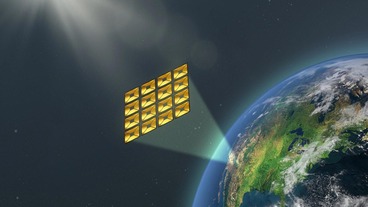
Solar cells face significant challenges when deployed in outer space, where extremes in the environment d...
View More
Among clean energy sources, hydrogen (H2) has emerged as the preferred energy carrier, boasting a high ca...
View More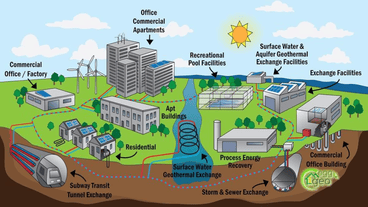
Extreme weather events, water shortages, and other consequences of climate change have challenged—and c...
View More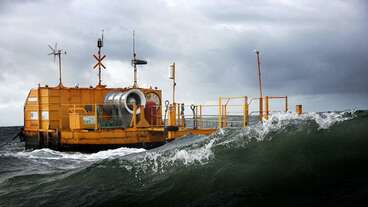
A new multi-material connector predicted to rinse running costs for the renewables industry launches at B...
View More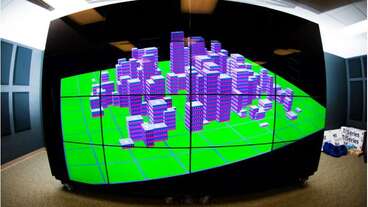
Reliability measures of electrical grid has risen to a new norm as it involves physical security and cybe...
View More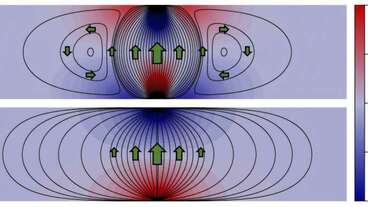
When we think about heat traveling through a material, we typically picture diffusive transport, a proces...
View More